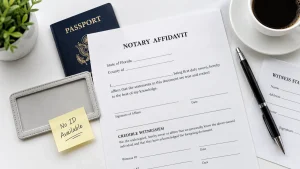

A refused notarization can stop everything at the worst possible moment. Signers often arrive expecting a straightforward stamp and signature, then leave without one because of a missing ID, an unsigned field or a signer who cannot confirm what they are agreeing to.
That refusal is rarely personal. In most cases, it reflects the notary doing the job correctly, protecting the signer, the document and the legal record behind it. Understanding why a notarization gets stopped and what can prevent it makes the appointment far less likely to fail.
Can a Notary Legally Refuse to Notarize?
Yes and there are specific circumstances where refusing is not just allowed but required.
A notary’s role is narrow but important. The job is to verify identity, confirm the signer is willing and aware and apply the appropriate notarial act. It is not to approve the content of the document, evaluate the deal behind it, or decide whether the outcome is a good idea. When one of the required elements is absent, the notary may have no choice but to stop.
Most people search this question after an appointment has already gone wrong. The reason it goes wrong is almost always something that could have been addressed before arriving.
What Causes a Notarization to Be Rejected
Most refusals come down to a handful of common situations and most of them can be resolved with a little preparation.
| Refusal Reason | Why It Matters | What Can Help |
| No valid photo ID | Identity cannot be confirmed | Bring a current, accepted form of ID |
| Signer is not present | The notary must witness the signing | Schedule with the signer physically or virtually available |
| Document has blank fields | Incomplete content creates legal risk | Fill in all required sections before the appointment |
| Signer appears confused | Consent must be clear and voluntary | Pause and reschedule until the signer can participate clearly |
| Wrong notarial certificate | The act being requested is unclear | Ask the receiving agency which certificate is needed |
A notary who declines to move forward is not creating an obstacle. That refusal is what keeps the document from being challenged later, or worse, from being used improperly.
Does a Missing ID Stop the Appointment Entirely?
It often does. Confirming the signer’s identity is not optional it is the foundation of the entire process.
An expired ID, a photograph of an ID, or a name that does not match the document exactly can all create problems the notary cannot work around. The signer’s legal name on the document needs to correspond to the name on the identification presented. When that connection cannot be made, the notarization should not proceed.
For remote notarization sessions, identity checks can feel more detailed because verification happens through a screen. Understanding ID requirements and name matching before the appointment can help prevent common issues that cause a remote session to fail before it starts.
Common Document Problems Before Notarization
A document that is not fully ready will not be accepted for notarization, regardless of how urgent the situation feels.
Blank lines or unfilled sections are a consistent problem. A notary cannot complete missing content on behalf of the signer and should not guess at what belongs there. The signer is also responsible for knowing which notarial act the receiving agency requires an acknowledgment, a jurat, an oath, because a notary cannot determine the legal purpose of a document and select the act accordingly without crossing into advice they are not authorized to give.
Documents that appear altered, inconsistent or tied to pressure on the signer raise a different kind of concern. If someone seems uncertain about what they are signing, unclear about the purpose or appears to be acting under someone else’s direction, the notary has grounds to pause or decline entirely. That protection exists for the signer’s benefit.
Easy Notary Solutions for Every Need
What Should a Signer Bring to the Appointment?
Most failed appointments come down to missing one item that would have been easy to bring with a little advance notice.
The basics that cover most situations:
- A current, accepted photo ID that matches the name on the document
- The complete document, with all fields filled in but unsigned if a witnessed signature is required
- Any witnesses named by the receiving agency
- Clear instructions from the agency about which notarial act applies
- Payment for the notary fee
One detail worth confirming ahead of time is whether the document should be signed before or during the appointment. Many notarizations require the notary to witness the signature directly, or to administer an oath at the time of signing. Signing early can mean the appointment needs to start over. Common notary mistakes often involve names, certificates and signature timing, which can affect whether a document moves forward or gets sent back.
Can a Notary Refuse Without a Valid Reason?
Refusal has to be grounded in the law, the signing conditions or a genuine concern about the process. A notary cannot decline because of personal disagreement with the document’s content, discomfort with the transaction, or bias toward or against the person presenting the document.
If a refusal feels unexplained or inconsistent, the signer has every right to ask what specific requirement has not been met. A legitimate reason should be easy to explain. If it is not, seeking a second appointment with a different notary is a reasonable next step.
What Do Businesses Need to Know?
Companies that regularly send employees to notarize contracts, vendor agreements, affidavits or corporate records can reduce repeated trips by building a simple review process before anyone leaves the office.
Before the appointment, a business should confirm:
- Who is required to sign and whether that person is available
- Whether witnesses need to be present and who they will be
- Which form of ID will the signer bring
- Whether the signature must be witnessed by the notary or can be completed in advance
- Which agency or authority will receive the final document and what they require
Bottom Line
A notary can and should refuse when the signing is not legally complete, the signer cannot be properly identified, or the situation raises a concern that cannot be resolved at the desk. That moment may feel like a setback, but it almost always prevents a larger problem once the document reaches whoever needs it. The most effective fix is preparation before the appointment, not after it fails. Notary Plus More helps Florida residents and businesses navigate the notarization process through Florida Notary Services, so the right steps are handled in the right order and documents have the best possible chance of being accepted the first time.