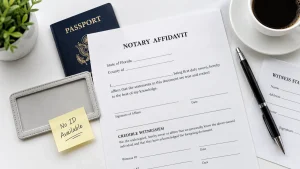

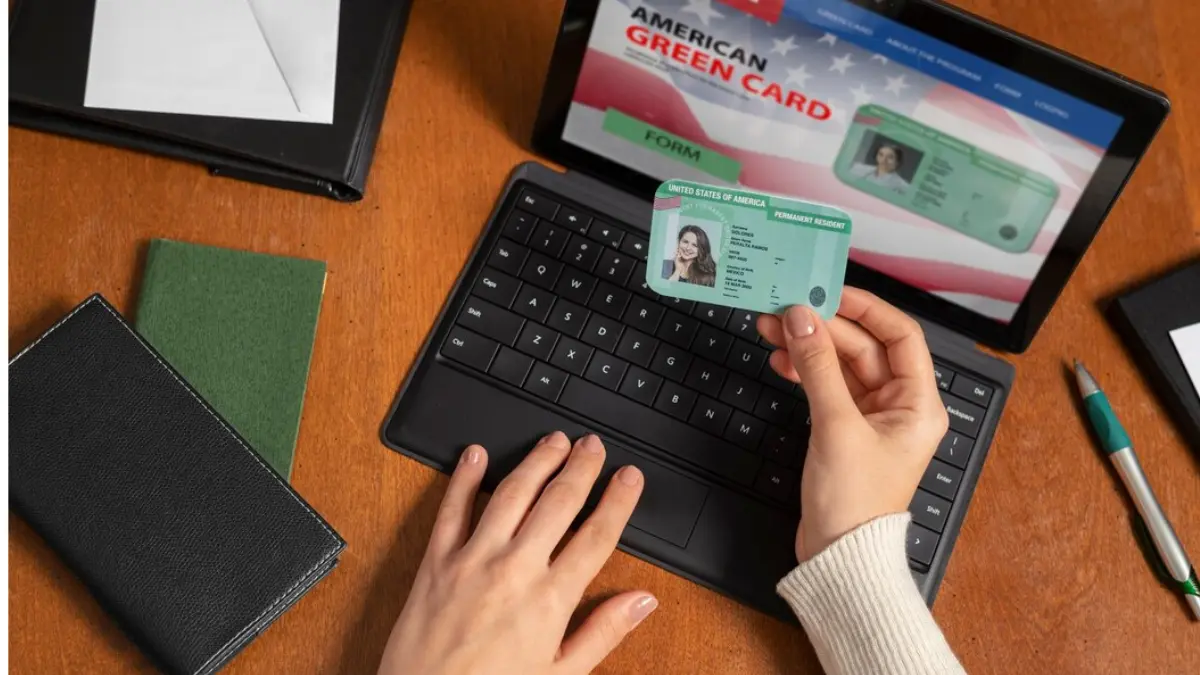
Identity checks used to feel straightforward. A person brought an ID, the notary reviewed it and the document moved forward. That still matters. The difference in 2026 is that more people are handling documents online, after work hours or from different locations.
That is where digital identity verification trends start to affect real notary work. The process does not need to feel technical for the client. It simply needs to confirm the signer clearly before the document is completed. The article on ID requirements explains what clients may need before an online session, while this guide looks at the bigger changes shaping secure notary services.
Why Does Digital ID Matter for Notaries?
A notary appointment depends on trust. If the wrong person signs, the problem may not show up right away. It may appear later during a real estate matter, business filing, family document or legal process.
Digital identity verification technology gives the notary another layer of review. It can help check the ID, compare the signer’s face to the document and catch details that may look unusual.
For local clients, the goal is not more hassle. It is fewer doubts.
A small business owner may need a document signed quickly. A family may need a power of attorney notarized. A remote signer may not be able to appear in person. In each case, identity needs to be handled carefully without making the process feel confusing.
What ID Trends Are Growing in 2026?
The latest trends in digital identity verification 2026 are mostly about making identity checks stronger and easier at the same time. Docusign notes that identity verification is moving toward smoother user experience while still addressing fraud risks and Entrust has also highlighted AI-driven fraud, deepfakes and stronger biometric checks as major identity concerns for 2026.
| Trend | What It Means for Clients |
| Smarter ID checks | Faster review of licenses and passports |
| Face matching | Helps compare the signer with the ID |
| Liveness checks | Confirms a real person is present |
| Fraud alerts | Flags suspicious identity details |
| Secure records | Supports a cleaner notary process |
The best tools do not make the appointment feel like a software test. They work quietly in the background and help the notary confirm what matters.
How Does This Help Florida Clients?
Florida allows remote online notarization after required application and training steps for notaries, according to the Florida Department of State. That makes identity checks even more important because the signer may not be sitting across the table.
For everyday clients, this matters in practical ways. A business owner may need a contract notarized before a deadline. Someone handling family paperwork may need a document completed without driving across town. A real estate signer may be working around a closing schedule.
In these situations, Florida Notary Services should feel clear from the start. The client should know what ID is needed, whether the document can be handled online and what could slow the appointment down.
What Should Clients Prepare First?
Most delays are simple. The ID is expired. The name does not match. The signer already signed the document. The camera will not capture the ID clearly.
A little preparation saves time.
Clients should have:
- A valid government-issued photo ID
- The unsigned document ready
- A quiet place for the session
- Good lighting for ID review
- A stable phone, tablet or computer
- Any witness details if required
The guide on online notarization process explains the wider process. Still, preparation is what keeps a simple appointment from turning into a long back-and-forth.
Get Reliable Notary Solutions for your Important Life Documents
Where Do Background Checks Fit?
Identity verification and background checks are not the same thing. Still, they often sit close together because both deal with trust, records and personal information.
A notarized document may only need ID review. A job, license or agency requirement may need screening too. That is where clients can get confused. They may know they need “proof,” but not know whether that means notarization, fingerprints, a background check or document authentication.
For work, licensing and regulated situations, Florida Background Check support can become part of the larger process. It helps when identity is only one piece of the requirement.
What Should People Watch For?
A secure notary process should feel calm and clear. If the instructions are vague, the appointment can go wrong before it starts.
Clients should ask a few simple questions before booking:
- Is this ID acceptable?
- Does the document need witnesses?
- Can this be notarized online?
- Should the signer wait before signing?
- Are fingerprints or records also needed?
These questions are not overthinking. They prevent delays. They also help the notary handle the appointment properly instead of fixing avoidable problems during the session.
Conclusion
Digital identity verification is becoming more common because clients want faster service without giving up safety. The strongest trend is not just better technology. It is better preparation.
A good notary process should make the client feel guided. The ID requirements should be clear. The document should be reviewed in the right order. The signer should know what to expect before the appointment begins.
For Florida clients, Notary Plus More keeps that process local, practical and easy to follow. Those who need help with identity-sensitive documents can start with Notary Plus More and choose the service that fits the situation.