
Many people come in expecting a quick stamp on their marriage certificate and leave surprised to find out the process works differently. It is one of the most common points of confusion we see and it usually comes down to one thing: a marriage certificate is not the same kind of document as a personal letter or a contract.
Knowing what is actually required before taking any steps is what prevents delays, rejected paperwork and unnecessary expense.
Why a Marriage Certificate Cannot Simply Be Notarized
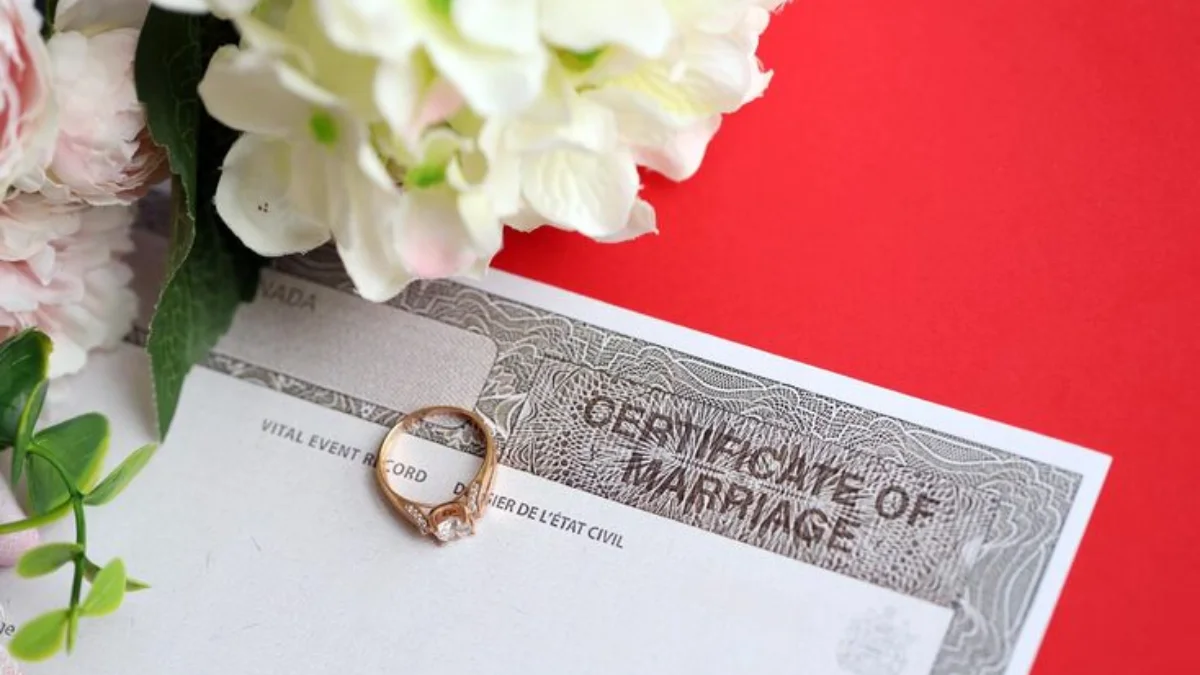
A marriage certificate is issued by a government office. It is an official public record, not a personal document. A notary public’s job is to verify the identity of someone signing a document. Those are two separate things.
A notary cannot confirm that a government record is legitimate and cannot turn a photocopy into a certified copy. More importantly, under Florida law, a vital record including a marriage certificate cannot be notarized at all. If the Florida Secretary of State receives a marriage certificate with any notarization on it, the document will be rejected. That is not a minor processing delay. It means starting the process over.
The distinction between a certified and a notarized copy is exactly what determines which route to take and confusing the two is what causes most rejections.
What a notary can help with in relation to a marriage are the surrounding documents:
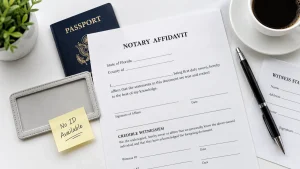
- An affidavit connected to the marriage record
- A signed request form for a record search
- A sworn statement about identity or name use
- A translator’s statement, where the receiving office requires one
If an affidavit is part of the submission, knowing what notarizing one costs in Florida helps set realistic expectations before the appointment.
What Is Usually Needed Instead
The correct next step depends entirely on what the receiving office is asking for. Confirming their specific requirement before doing anything is the most important step.
| What You Have | What May Be Needed | Who Handles It |
| Certified marriage certificate | Official record use | County clerk or vital records office |
| Plain photocopy | Usually not accepted | Receiving agency decides |
| Affidavit about the marriage | Notarized signature | Notary public |
| Document going to a foreign country | Apostille | Florida Secretary of State |
What Florida Typically Requires
Florida marriage records move through official recording channels. There are two types issued in Florida: a Certification of Marriage from the Office of Vital Statistics and a certified copy of the Marriage Record from the Clerk of the Circuit Court in the county where the marriage was registered. Both are acceptable for most official purposes, but the receiving office may specify which one they need.
Before approaching anyone for help, it is worth confirming:
- Whether the marriage was recorded in Florida
- Whether the copy in hand is certified by the proper issuing office
- Whether the receiving agency accepts a certified copy
- Whether a separate affidavit also needs to be notarized
- Whether the document needs an apostille for international use
These checks prevent paying for a service that does not actually resolve the requirement.
Reliable Notarization Help for Every Situation
When the Document Is Going to Another Country
International use creates the most confusion. A foreign office may ask for authentication, legalization, or an apostille. None of those are the same as notarization and sending a notarized document when an apostille is required will not move the process forward.
For Florida marriage certificates being used abroad, the correct route is a certified copy followed by an apostille issued by the Florida Secretary of State, which is the only designated authority in Florida to issue apostilles. A notary verifies a person signing a document. An apostille confirms the official seal or signature on a government record for international recognition. Those are two different steps that solve two different problems. Those unsure which applies to their situation can review which documents qualify for apostille before deciding how to proceed.
Mistakes That Commonly Cause Rejection
Most delays come from treating a vital record the same way as a personal document. The rules are stricter because the record carries more weight.
Common mistakes include:
- Sending a plain photocopy instead of a certified copy
- Having any notarization on the certificate itself
- Missing the certified seal from the issuing office
- Submitting the wrong version of the document
- Requesting the wrong notarial act entirely
When a document is handled incorrectly, the receiving office may reject the entire submission. That can affect immigration timelines, name change filings, insurance records and overseas registrations all at once.
When a Notary Does Still Play a Role
A notary becomes relevant when the marriage certificate is submitted alongside other documents. Many submissions include affidavits, identity verifications, or sworn statements that do require a notarized signature.
For those who cannot come in person, remote online notarization is available for eligible documents, which can move things along without requiring a separate trip. A common question at this stage is whether online notarization is legally valid in Florida and the short answer is yes, provided the session follows the state’s remote notarization requirements.
In either case, the notary handles the related notarization correctly, without applying a stamp to the vital record itself. Knowing which documents in the submission require a notarial act and which require a different process entirely is what keeps the filing clean.
The Right First Step
Confirm what the receiving office is asking for before doing anything else. That one step prevents most of the problems people run into with marriage certificate submissions.
For Florida residents working through this, Notary Plus More reviews the document, identifies the correct route and handles whichever part of the process actually needs attention, whether that is a notarized affidavit, guidance on obtaining a certified copy, or an apostille for international use.