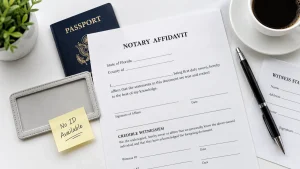


When a loved one passes away, transferring financial assets often involves more than a death certificate. In Florida, individuals settling an estate are commonly required to provide an affidavit of domicile before securities, brokerage accounts, or other financial holdings can be released to heirs and beneficiaries.
Understanding what an affidavit of domicile is and the role it plays in estate administration helps executors and beneficiaries avoid delays during an already difficult time. This guide explains the purpose of the document, when it is required and who is responsible for completing it.
What Is an Affidavit of Domicile?
An affidavit of domicile is a sworn legal statement that establishes the legal residence, or domicile, of a person at the time of their death. It is signed by the executor, administrator, or personal representative of the estate and confirmed before a notary public. Common types of affidavits include an affidavit of domicile, affidavit of residency, affidavit of heirship, and affidavit of identity, each serving a specific legal or administrative purpose depending on the estate or verification requirement.
The document identifies the state in which the deceased was a permanent resident. For Florida residents, it formally records that the decedent’s legal home was in Florida, which can affect how certain assets and taxes are handled during settlement.
What Is an Affidavit of Domicile Used For in Estate Settlement?
The primary use of an affidavit of domicile is to transfer ownership of securities and financial assets after a person’s death. Transfer agents and financial institutions rely on it to confirm the decedent’s state of residence before releasing or reregistering assets, in keeping with their financial account transfer requirements.
An affidavit of domicile is commonly used to support the transfer of:
- Stocks, bonds and mutual fund shares
- Brokerage and investment accounts
- Bank accounts held in the decedent’s name
- Other registered securities requiring proof of residence
By confirming legal residence, the affidavit helps determine which state’s tax and inheritance rules apply to the estate. This protects the institution, releasing the assets and supports an accurate distribution to the correct beneficiaries. In some cases, it may also function alongside an affidavit of residency to further verify the decedent’s official domicile for legal and administrative purposes.
When Is an Affidavit of Domicile Required?
An affidavit of domicile is typically required when securities or financial accounts must be moved out of a deceased person’s name. Brokerage firms, transfer agents and banks often request it as part of their verification process before completing a transfer.
The document is most often requested during:
- Estate settlement and the distribution of assets to beneficiaries
- Probate and inheritance procedures, when a court oversees the administration of the estate
- The transfer of stocks or bonds to a surviving spouse, heir, or trust
Requirements can vary between institutions. Some financial companies request the affidavit alongside a death certificate and other estate planning documents before they release funds or securities.
Who Completes an Affidavit of Domicile Form?
The person responsible for completing an affidavit of domicile form is usually the executor or administrator named in the estate. If no executor has been appointed, the personal representative recognized by the court generally takes on this responsibility.
The individual completing the form must sign it in the presence of a notary public. Notarization confirms the identity of the signer and verifies that the statement was made under oath, which gives the document its legal weight. In Florida, using professional notary public services ensures the affidavit is properly executed and meets the requirements for estate and financial institutions.
Required Details for an Affidavit of Domicile
An affidavit of domicile records specific details that financial institutions use to verify residence. While formats vary, most versions request the following information:
- The full legal name of the deceased
- The date of death
- The decedent’s legal state of residence at the time of death
- The address of the decedent’s primary residence
- The signature of the executor or administrator
- The notary’s seal and acknowledgment
Accuracy matters at every step. Errors or inconsistencies can delay the transfer of assets and may require the document to be corrected and resubmitted. In some estate situations involving international assets, apostille services may also be required to validate the affidavit for use outside the United States.
Choose Right Notary Solution for Your Needs
Legal Implications and Verification Requirements
Because an affidavit of domicile is a sworn statement, the person signing it is legally affirming that the information is true. Providing false information can carry legal consequences, which is why notarization and careful legal form verification are essential.
Compliance and Tax Reporting
Financial institutions use the affidavit to satisfy their own compliance and tax reporting obligations. Confirming the correct domicile allows them to apply the appropriate state rules and reduces the risk of disputes later in the settlement process.
Final Thoughts
An affidavit of domicile is a small but important part of settling an estate and transferring assets after death. Completing it accurately and having it properly notarized helps keep the distribution of securities and accounts moving without unnecessary delay.
If you need an affidavit of domicile notarized, a qualified notary or legal professional can guide you through the process and confirm that the document meets institutional requirements. Notary Plus more can help and ensure your estate paperwork is completed correctly, properly notarized and ready for submission in line with what is an affidavit of domicile used for in financial and legal processes.