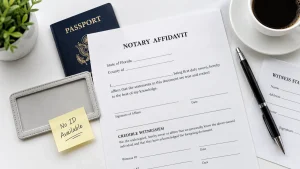


A signature deadline can become challenging when the signer is located overseas. The document may be waiting in a United States inbox while the individual required to sign it is several time zones away. A local notary abroad may follow unfamiliar procedures, while a consular appointment may take longer to arrange than the deadline permits. In these situations, a rejected document can delay important matters such as a property transaction, visa application, or family-related process.
Remote online notarization provides an alternative when the receiving authority accepts this method. To do remote online notarization, signers complete a video-based session where identity verification and document signing take place electronically. Before arranging a session, however, one question should be addressed first: will the bank, court, school, government office, or business receiving the document accept an electronic notarization completed under Florida law?
Can You Notarize a Document Abroad Online?
In many situations, the answer is yes. Florida law allows a registered online notary who is physically located in Florida to complete a remote notarization for a signer located outside the state or outside the United States. The signer participates through live audio and video, while identity verification is completed electronically before the document is signed.
A signer located outside Florida must first acknowledge that the notarization will be performed by a Florida notary under Florida law. When the signer is outside the United States, a foreign passport may be accepted as identification. The notary must still complete credential analysis and identity verification before proceeding, and if the platform cannot confirm the signer’s identity, the session cannot continue.
What to Confirm Before Scheduling an Online Notary Appointment
Before scheduling an appointment, the receiving authority should confirm three important details:
- Whether remote online notarization is accepted
- Which notarial act the document requires
- Whether witnesses, originals, or additional authentication are needed
An acknowledgment confirms that the signer voluntarily recognized the signing of the document. A jurat, however, requires an oath or affirmation in addition to signing in the notary’s presence. The notary completes the requested act but does not decide which option applies, and a non-attorney notary cannot provide legal guidance regarding the appropriate form.
A request to notarize a document abroad may still be rejected if the document does not allow electronic signing. Certain court filings, property documents, and estate-related documents follow separate requirements, meaning acceptance should never be assumed based only on the document type.
What You Need for an Online Notary Appointment
The signer generally needs reliable internet access, a functioning camera and microphone, and an acceptable government-issued identification document. The document should typically be complete but unsigned unless the notary provides different instructions.
Florida remote online notarization is completed through a secure platform that combines identity verification, credential analysis, and a recorded live session. The electronic journal and video recording must be maintained for at least ten years. The finalized document includes the signer’s electronic signature along with the notary’s certificate and electronic seal.
The following check helps prevent common delays:
| Before the session | What to verify |
| Document | All pages are included |
| Identification | Name matches the document |
| Technology | Camera, audio, and connection work properly |
| Witnesses | Required individuals are available |
| Destination | Electronic notarization is accepted |
| Next step | Apostille or legalization requirements are confirmed |
The session preparation checklist provides a helpful way to review identification requirements and technical details before attending the remote notary session and ensuring everything is ready before the video appointment.
Common Reasons Overseas Notarized Documents Are Rejected
- The wrong certificate wording is attached
- A required witness is unavailable
- The signer’s name does not match the passport
- The receiving authority requires a wet-ink original
Another common mistake is treating notarization and authentication as the same process. Notarization confirms identity and execution of the document; however, it does not automatically make a document acceptable for international use. Some documents require an apostille after notarization, while others require authentication followed by embassy legalization. Public records require additional attention as well. A receiving authority may require an official certified copy instead of a notarized photocopy, and adding a private notarization to a standard copy does not convert it into an official record.
When an Embassy Notary Appointment May Be Required
A United States embassy or consulate may provide notarial services similar to those available domestically, although the signer must appear in person. The State Department confirms that consular locations do not provide remote or virtual notarization, and it lists a $50 fee for each consular seal. Appointment availability and payment requirements can vary depending on the location.
An embassy appointment may be suitable when a document specifically requires a consular seal. A local foreign notary may work when the receiving authority accepts local notarization. A Florida online notary may be appropriate for accepted electronic documents once identity verification is completed. The correct option depends on what the final recipient requires.
Choose Right Notary Solution for Your Needs
Situations Where Professional Notary Support Matters
Professional review becomes especially useful when the signer is managing a power of attorney, business filing, real estate document, or immigration-related paperwork with a strict deadline, or when the destination country requires an apostille after signing. Florida notary services can assist with reviewing identification requirements, certificate wording, and session preparation before the appointment, while Florida apostille services can help organize the remaining steps once the notarized document is ready for international use.
How Notary Plus More Supports Overseas Signers
We assist signers who need Florida documents notarized while living abroad. The team helps identify the appropriate process, prepare the online appointment and determine when the receiving authority should be contacted before proceeding. Its role is practical: helping identify the correct notarial step, reducing avoidable mistakes, and explaining possible next steps. It does not provide legal advice, determine legal wording, or guarantee acceptance by a foreign authority.
Conclusion
Understanding how to notarize documents while living abroad starts with confirming the requirements of the receiving authority. A remote notarization session can reduce travel and mailing delays, but acceptance requirements, identity verification, and witness rules still determine whether the process succeeds.
A reliable approach follows the correct order: confirm acceptance, prepare the unsigned document, complete identity verification, attend the live session, and arrange any required apostille or legalization afterward. Support from Notary Plus More can help clarify these steps before submission and reduce the risk of repeated signatures or additional paperwork.