


A notarized document may appear properly completed until a notary mistake is discovered, such as an incorrect date, misspelled name, or incomplete certificate. While correcting the issue may seem straightforward, making changes after the notarization has been finalized can create compliance concerns under Florida notary rules.
Understanding how to handle a notary mistake depends on where the error occurred, whether the signer is still present and whether the issue involves the notarial certificate or the document itself. Knowing the correct steps can help prevent further complications and ensure the document remains properly executed.
Can a Notary Correct Errors on the Notarial Certificate?
A Florida notary is responsible for completing the notarial certificate, not for correcting the contents of the underlying document. The certificate documents important details such as the venue, type of notarial act, date, signer’s name, identification method and the notary’s signature and seal. Florida guidance allows incorrect certificate information to be corrected, struck through and initiated before the notarization is completed. However, once the notarial act has been finalized, the notary should not return to the certificate and make independent changes.
Florida-specific guidance from the National Notary Association explains that a completed certificate must be handled through a new notarization rather than a later modification. This timing difference is often overlooked. An error identified while everyone is still present is very different from one discovered days later by a bank, title company, or recording office.
Why Certificate Review Before Signing Matters
Before completing the appointment, the notary should review the certificate date, venue, signer’s name, identification method, signature and seal to ensure everything is accurate and readable. Florida law requires these details and correcting an issue before the signer leaves is much easier than arranging another appointment later.
What Happens When the Mistake Is in the Document?
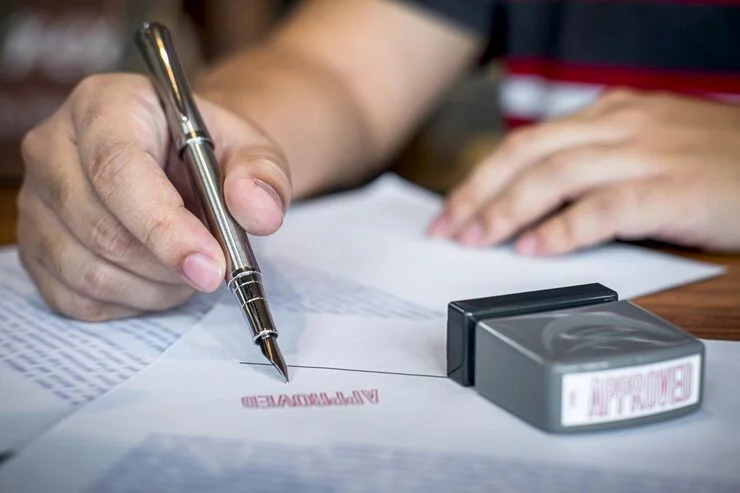
Not every mistake involves the notarial certificate. Errors involving an address, contract amount, legal description, or other wording within the document itself are outside the notary’s responsibility. A non-attorney notary should not decide how that language should be changed or rewritten.
Responsibility for correcting the document usually belongs to the person who prepared it. The signer may need to sign again and a significant correction may require a completely new notarization. Handwritten changes to the document can also create questions about which version was actually executed. For documents such as contracts, deeds, or powers of attorney, the receiving party may request a clean replacement instead of accepting altered pages. That decision belongs to the signer, document preparer, or qualified legal professional, not the notary.
| Error location | Responsible party | Likely next step |
| Notarial certificate | Notary | Correct during the appointment, or complete a new notarization |
| Document wording | Signer or document preparer | Correct the document and determine whether re-signing is required |
| Wrong notarial act | Notary and signer | Perform the correct act again |
| Recorded legal document | Issuer, title professional, or attorney | Follow that record’s established correction process |
Florida notaries should not provide legal advice about how a deed, contract, or power of attorney should be rewritten.
What Happens After the Signer Leaves?
Once the signer has departed, the completed notarial act should no longer be treated as something that can simply be corrected. Providing a loose replacement certificate without performing a new act is also discouraged because an unattached certificate may be misused. When a certificate mistake is discovered after completion, a new notarization is generally the safest approach. Florida Notary Services can assist when a document requires re-notarization under a corrected certificate, provided the signer returns with the complete document and proper identification.
Choose Right Notary Solution for Your Needs
Next Steps After a Notarization Rejection
Some mistakes are only discovered after a bank, title company, or government office rejects the document. The reason for rejection should be reviewed carefully because the issue may involve either the notarial certificate or the document itself and each requires a different solution.
A follow-up appointment should identify the exact issue, whether the document needs correction, which notarial act is required and whether new signatures or witnesses are necessary. Same-day notarization may help with urgent situations, but it does not remove the legal requirements for completing the new act correctly.
How International Documents Are Handled After Notarization
Documents intended for international use often receive additional review. Florida’s Department of State requires an original notarized document with a complete notarial statement, notary signature, stamp and seal when submitting documents for apostille or certification. Even a small certificate error can delay the process. Florida Apostille Services can help identify whether the issue involves the notarization or authentication stage, though a notary cannot change the document itself to meet foreign requirements. Translation and content-related concerns generally require separate professional guidance.
Bottom Line
A notarized document should be carefully reviewed before the appointment ends, with the notary confirming the certificate details and the signer checking names, dates and document information. This short review can prevent many issues before they become difficult to resolve.
For South Florida residents and businesses, Notary Plus More can arrange a new notarization when an existing certificate cannot be corrected after completion. The most reliable correction is one that follows Florida’s established procedures rather than attempting to modify a completed notarial act after the signer has left.