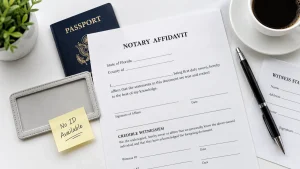

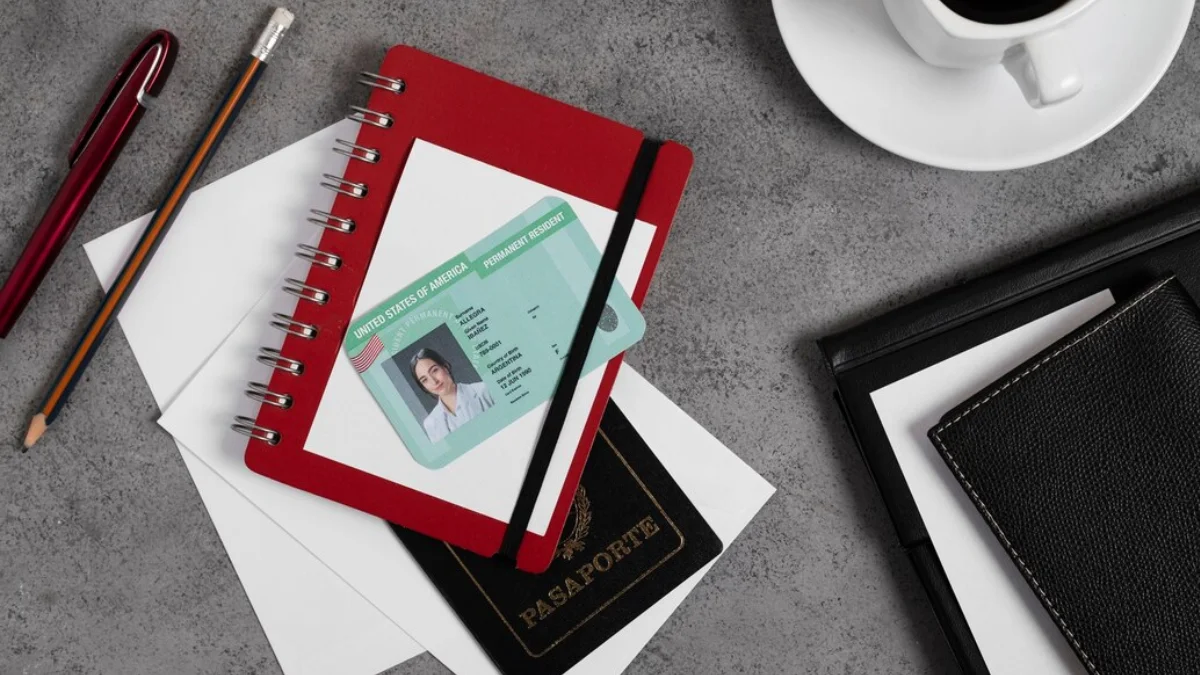
An expired driver’s license can turn a simple notarization into a stopped appointment. The document may be ready. The signer may be present. Still, if the ID does not meet state rules, the notary cannot ignore the problem and stamp the page.
Florida signers often assume an expired ID is useless right away, but the rule is more specific. A helpful starting point is the state’s broader ID requirements for remote sessions, which explain why identity checks come before the signature.
Is Your Expired License Still Valid for Notarization?
A Florida notary may accept an expired driver’s license if it was issued within the past five years and still has a readable serial or identifying number. The expiration date alone does not disqualify it.
The issue date is what matters most. If the license was issued within the past five years, it may still satisfy Florida’s identification requirements. If it was issued more than five years ago, the notary should not rely on it, regardless of how recently it expired.
What Florida Law Requires for Identification
Florida notaries must confirm a signer’s identity through personal knowledge or satisfactory evidence, which usually means reviewing a government-issued photo ID.
| ID Situation | What It Usually Means |
| Current Florida driver license | Usually acceptable if it matches the signer |
| Expired but issued within five years | May be acceptable in Florida |
| Expired and issued over five years ago | Usually not acceptable |
| Damaged or unreadable ID | Likely a problem |
| Name does not match the document | Needs review before signing |
Meeting the five-year threshold does not guarantee approval on its own. The notary still applies judgment if the photo is unclear, the ID appears altered or the signer does not reasonably match the image presented.
Why a Notary Might Refuse an Expired ID
A notary who declines weak identification is not being difficult. Their role is to prevent fraud by confirming that the person signing is the person named in the document.
An expired ID can create issues for several reasons: the license may have been issued too long ago, the photo may no longer clearly resemble the signer, the name may not match the document, the ID number may be unreadable, or there may be visible signs of tampering. A signer who seems unsure or pressured during the appointment can also raise concerns beyond the ID itself and in such cases, a notary may refuse to proceed with the notarization until proper identification is provided.
ID Checklist for a Smooth Florida Notary Visit
A current government-issued photo ID is the simplest solution. A Florida driver’s license, state ID, passport or military ID can work if it meets the requirements above.
Before the appointment, it helps to confirm that the ID is readable, the name matches the document, the photo still resembles the signer and the issue date falls within the five-year window. Having a second form of ID on hand is a useful backup if there is any doubt.
Credible witnesses may be an option in limited situations, though that path has its own requirements and should not be treated as a default workaround.
Weak IDs Can Cause Notarization Delays
A weak ID can delay more than a single signature. Affidavits, powers of attorney, real estate documents, school forms and family paperwork all depend on identification being accepted the first time.
This is especially relevant for documents that may later require Florida apostille services, since a questionable notarization at the outset can create complications during that later step.
Tips for a Quick and Smooth Notary Session
We helps signers confirm what a notary will need to check before the appointment begins, including whether an ID is likely to meet Florida’s five-year rule.
For in-person sessions, Notary Plus More‘s Florida notary services ensure document readiness, verify signer presence and confirm identification requirements as part of the standard process, helping appointments proceed smoothly without delays.
Prepare Your ID to Prevent Notary Issues
A Florida notary may accept an expired driver’s license, but only if it was issued within the past five years and still clearly identifies the signer. If it falls outside that window, or the ID is unclear, damaged or doesn’t match the signer, it should not be used.
The safest approach is to bring a current ID whenever possible. If only an expired one is available, check the issue date beforehand. A few minutes of preparation can prevent a delayed appointment and a notarization that cannot move forward.