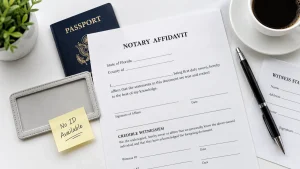


A notary public plays a crucial role in ensuring document authentication. By verifying the identities of signatories and witnessing the signing process, notaries help prevent fraud and ensure that documents are legally binding. The document authentication services are essential for various transactions, including real estate deals, power of attorney documents, and affidavits. This article explores the vital responsibilities of notaries and how they contribute to maintaining trust and integrity in legal and business affairs.
What is the Authentication of a Document?
Document authentication is the process of verifying that a document is legitimate and has been correctly signed by all required parties. An authenticated document carries legal weight it can be presented in court, submitted to government agencies, and relied upon in business transactions without being questioned.
The most common form of authentication involves a licensed notary public who:
- Confirms the identity of all signatories
- Witnessed the signing of the document
- Affixes an official seal or stamp
This process is used in everything from personal legal matters to complex international agreements. In today’s digital environment, many organizations also use document authentication software to streamline verification and maintain secure records but the notary public remains the legal backbone of the process.
Understanding the Importance of Document Authenticity and Legal Compliance
Understanding the importance of document authenticity and legal compliance is essential in today’s world. Why we need notaries becomes clear when considering the risks of fraud and legal disputes. Notaries are essential for verifying that documents are legitimate and correctly completed. By verifying the identities of signatories and witnessing their signatures, notaries help to prevent forgery and ensure that all parties involved are who they claim to be. This process not only provides legal assurance but also upholds the integrity of important transactions, whether in real estate, business agreements, or personal matters.
Without proper authentication, documents may be challenged in court, leading to costly and time-consuming legal battles. Utilizing a notary public service ensures that your documents meet all legal requirements, providing peace of mind and safeguarding your interests.
What Does a Notary Public Actually Do?

Notary Publics are your go-to for making sure documents are legit and not fake. They perform several crucial duties to make sure everything you sign is valid and trusted:
1. Verification of Identity
Notaries public provide essential document authentication services by verifying the identities of all signatories involved in a document. This step ensures that each party is who they claim to be, significantly reducing the risk of fraud and misrepresentation.
2. Witnessing Signatures
A notary public witnesses the signing of documents, confirming that each signatory signs willingly and knowingly. This crucial step helps prevent disputes over the validity of signatures and ensures that all parties have agreed to the document’s terms.
3. Affixing the Notary Seal
After verifying identities and witnessing signatures, the notary professionals affix an official seal or stamp to the document. This seal serves as a mark of authenticity, indicating that the document has been properly notarized and can be trusted in legal and financial matters.
4. Ensuring Legal Compliance
Notaries ensure that all important documents meet all legal requirements, including proper formatting and necessary signatures. By providing document authentication services, they help prevent issues that could arise from improperly executed documents, ensuring they hold up in legal proceedings.
5. Deterring Fraud
The involvement of a notary public in the authentication process acts as a strong deterrent to fraud. Knowing that a document must undergo thorough verification by a notary reduces the likelihood of attempted forgery or deceit, thereby protecting the interests of all parties involved.
Self-authenticating vs Notary Public Authentication: What’s Your Best Bet?
- Convenience and Cost: Self-authenticating documents are convenient and cost-effective, as they don’t require a notary. It is ideal for routine transactions with minimal legal risk.
- Legal Robustness: Notary public authentication provides a higher level of legal assurance. It’s crucial for significant agreements, real estate deals, and documents used in court.
- Fraud Prevention: A notary public acts as a fraud deterrent by verifying signers’ identities and witnessing the signing, adding an extra layer of security.
- Document Acceptance: Not all documents can be self-authenticating. Legal and financial institutions often require notarized documents to ensure authenticity and compliance.
- Flexibility and Jurisdiction: Self-authenticating documents might not be universally accepted, especially in different jurisdictions. Notarized documents, however, are widely recognized and trusted.
Self-Authentication vs. Notary Authentication: Which Do You Need?
Not every document requires notarization, but understanding the difference helps you choose correctly.
| Self-Authenticating Documents | Notary-Authenticated Documents | |
|---|---|---|
| Cost | Low or none | Modest notary fee |
| Speed | Instant | Requires appointment |
| Legal Strength | Limited | High |
| Fraud Protection | Minimal | Strong |
| Acceptance | Varies by jurisdiction | Widely recognized |
Self-authenticating documents work well for routine, low-risk transactions. But for anything with real legal or financial stakes, property transfers, wills, a letter of authentication for international use, notarization is the right choice.
Types of Documents Requiring Mandatory Authentication

Certain documents must undergo mandatory authentication in many legal and official matters to ensure their validity and trustworthiness. Authentication, often through notarization, verifies the identities of signatories and confirms the documents are legally binding. In some cases, a letter of authentication may also be required to confirm that a document has been properly verified for official use.
Notarizing documents adds a layer of verification that is recognized by legal authorities, helping support smoother acceptance. Here are the key types of documents that require mandatory authentication:
- Immigration Documents: It’s essential to notarize immigration documents to confirm their authenticity and legality.
- Birth Certificates: A notarized birth certificate is often required for passport applications, school enrollments, and official government filings.
- Wills and Powers of Attorney: These documents govern critical personal and financial decisions. Proper authentication helps prevent disputes and confirms that the signing parties acted willingly and with full legal capacity.
- Real Estate Deeds: Authentication of documents such as deeds is a must to protect against fraud and ensure the deed’s legality.
- Financial Agreements: Document notarization is vital to uphold the agreement’s terms in legal contexts.
Common Challenges in the Document Authentication Process
Document authentication is vital for ensuring the legitimacy and validity of various documents, but it comes with its own set of challenges and limitations. These may include:
Jurisdictional Variation
Authentication requirements vary by state and country. A document notarized in one jurisdiction may not be automatically accepted in another without additional certifications.
Detailed Documentation
Incomplete forms, incorrect signatures, or missing details can result in rejected documents and the need to restart the process. Always review your paperwork carefully before your notary appointment.
Apostille Complications
Obtaining an Apostille document for use in foreign countries under the Hague Convention involves multiple steps and certifications, often requiring coordination with various agencies and precise adherence to guidelines.
Limited Notary Access
In some areas, finding a qualified notary public can be a difficult task. By adding another layer of complexity and potentially delaying the authentication process.
Costs and Time Constraints
The authentication process can be both expensive and time-consuming, especially when dealing with multiple documents or navigating international requirements. This puts a significant burden on individuals and businesses.
Conclusion
Document authentication is not a formality, it’s a legal safeguard. An authenticated document carries verifiable proof of identity, voluntary signing, and legal compliance. That proof matters in courts, government offices, and international transactions. Whether you’re preparing a letter of authentication for overseas use, notarizing a will, or using document authentication software to manage records at scale, the underlying goal is the same: ensuring your documents are trusted, enforceable, and fraud-resistant.
Take authentication seriously from the start. It protects your interests, upholds the integrity of your agreements, and gives every party involved the confidence that what’s on paper is legally sound.