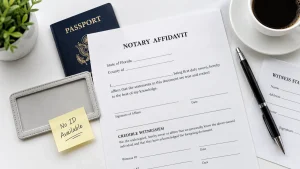

Immigration brings a long list of forms, deadlines and requirements, and one of the easiest to overlook is notarization. Many applicants only discover it matters when an agency returns a document or a deadline is at risk because a signature was never properly acknowledged.
Notarizing an immigration document is not a formality you can skip. It confirms who signed the paperwork and that the signature was made willingly, which is exactly what government agencies look for before they accept a record as legitimate.
Why notarization matters, which documents we usually need it for and how to get through the process without delays. The language is kept plain, so it is useful whether or not you have dealt with notaries before.
Understanding the Importance of Immigration Notary Documents
Immigration notary documents are important for ensuring that the paperwork involved in immigration processes is legitimate and free from fraud. When a document is notarized, a notary public confirms the identity of the person signing it and makes sure that they are doing so voluntarily and without any pressure. This provides an additional layer of security and makes the document more trustworthy in legal proceedings.
There is more than one way to get an immigration document notarized. The right choice depends on where you are, how quickly you need it done and whether traveling to an office is practical.
| Method | Best For | Requires Travel? |
| In-person notary | Standard signings done at a fixed location | Yes |
| Mobile notary | Signings at home, a hospital or a care facility | No |
| Remote online notarization | Signers who cannot meet in person | No |
Step-by-Step Guide: How to Notarize Your Immigration Documents
Now that you understand the importance of notarizing immigration documents, let’s walk through how to notarize immigration documents properly so your paperwork stays complete, organized and ready for the next step:
Step 1: Gather Your Documents
Collect everything you need before the appointment. Depending on your case this may include birth or marriage certificates, identification, affidavits and any supporting records the receiving agency has asked for. Leaving signature fields blank until the notary is present is important, since most documents must be signed in front of them.
Step 2: Find a Notary Public
Locate a commissioned notary authorized to perform notarizations in your area. Notaries are available at banks, law offices and shipping centers, and through reputable directories. A mobile notary can also come to you when getting to an office is difficult.
Step 3: Schedule an Appointment
Reach out ahead of time and ask what to bring. This is also the moment to confirm whether your document needs witnesses or any extra authentication, so nothing holds up the signing.
Step 4: Present Your Documents
Bring a current government-issued photo ID such as a driver’s license or passport. The notary has to confirm your identity before anything is signed, and an expired or mismatched ID is one of the most common reasons appointments stall. They may also verify background checks.
Step 5: Sign and Seal
Once the notary confirms your identity, they’ll ask you to sign the papers before them. Then, they’ll put their official seal or stamp, along with their signature and the date, on those papers. This will ensure that your documents are properly certified.
Step 6: Receive Notarized Documents
You leave with the signed and sealed records, now ready to submit as part of your immigration process. Make copies before they go anywhere, which is covered below.
Get Notary Services for Your Security Needs
What You Need to Know Before Notarizing

Before you get a document notarized, it’s important to understand what legal rules you need to follow. The rules might be different depending on where you are and what kind of document you have. Here are a few things you should keep in mind.
Valid Identification: To confirm your identity, You must present a government-issued photo ID, such as a driver’s license or passport, to verify your identity.
Witness Requirement: Sometimes, you might have to take someone with you who can confirm that you are who you say you are and that the documents you’re presenting are real.
Document Authentication: Sometimes you need to get some additional verification for your immigration papers to be considered valid. This might mean getting an apostille or certification from the relevant authorities, which can be done with the help of a certified apostille agent. They’ll make sure your documents are properly authenticated and meet the requirements.
Common Mistakes to Avoid When Preparing Immigration Documents
The process of notarizing immigration notary documents may seem straightforward, but applicants commonly make several mistakes. Avoiding these pitfalls can help streamline the notarization process and prevent delays in your immigration proceedings. Some common mistakes include:
The process looks simple, but a few avoidable errors cause most of the delays:
- Not checking the notarization requirements for each specific document
- Forgetting to bring valid photo identification
- Signing the document before reaching the notary
- Leaving notarization until the last minute
- Failing to review the document for accuracy and completeness first
- Choosing an unqualified or inexperienced notary
Knowing these in advance is usually all it takes to avoid them.
How to Find a Reliable Notary Public for Your Immigration Documents
When it comes to getting your immigration documents notarized, it’s important to find a trustworthy notary public. If you’re not sure how to find a notary near you, here are some suggestions:
- Ask for Recommendations: Seek referrals from friends, family, or colleagues who have undergone the immigration process for reputable notaries.
- Online Directories: Utilize online directories or search engines to find notaries in your vicinity, ensuring they boast positive reviews and are licensed.
- Professional Associations: Consider seeking out notaries who are members of professional associations, as they are likely to adhere to high standards of practice.
Exploring Alternatives: Remote Online Notarization for Immigration Papers

In this digital age, remote online notarization is shaking things up in the best possible way. Here’s why it’s worth exploring.
Convenience is King: With remote online notarization, you can bid farewell to scheduling headaches and travel hassles. Notarize your documents from the comfort of your own home—what’s not to love?
Accessibility for All: RON makes notarization accessible to everyone, regardless of location or mobility issues. As long as you’ve got an internet connection, you’re good to go.
Efficiency Rules: Say goodbye to long waits and paperwork woes. RON streamlines the notarization process, getting you from point A to point B in record time.
Security is Paramount: Worried about security? Fear not! RON platforms employ top-notch encryption and security measures to keep your documents safe and sound.
Budget-Friendly Option: RON can be a cost-effective alternative to traditional notarization, saving you time and money in the long run. It’s a win-win!
Tips for Securely Notarizing Immigration Documents
When it comes to securely notarizing immigration documents, there are several tips you should keep in mind to ensure the process goes smoothly and that your documents are properly authenticated. Here are some key tips:
- Verify the notary’s credentials before the appointment
- Review every document for accuracy and completeness
- Keep certified copies for your own records
- Raise any specific requirements or concerns up front
- Stay aware of changes to notarization laws in your area
- Ask questions whenever something is unclear
- Use secure channels when sending sensitive documents
- Follow up with the relevant agency to confirm the records were accepted
Final Thoughts
Notarization is one of the smaller steps in an immigration case, but it carries real weight. A document that was signed informally or sealed incorrectly can be rejected at the worst possible moment, while one done properly moves your case forward without a second thought.
Whether you prefer an in-person signing, a mobile visit or a remote online session, the most important thing is working with a commissioned notary who follows the rules. Notary Plus More handles immigration document notarizations across South Florida, with an office for in-person appointments and a mobile notary service that comes to you at home, a care facility or wherever the signing needs to happen.