
If you’ve applied for a job in healthcare, teaching, or real estate, you’ve probably been asked to get fingerprinted. It might feel like just another checkbox, but there’s a good reason this step matters so much.
Fingerprinting is one of the most reliable ways to verify who you are and check your background for positions that involve public trust. Understanding the process can save you time and help you avoid common mistakes that cause delays.
What Makes Fingerprints Different
Your fingerprints are unique to you. No one else has the same pattern, and unlike a Social Security number or birthdate, they can’t be stolen or faked. When an employer runs a fingerprint check, they’re getting verified information straight from state and federal databases.
This beats other screening methods hands down. Two people might share the same name or birthday, but their fingerprints? Never.
When You’ll Need to Get Fingerprinted
Professional Licenses
Teachers, nurses, real estate agents, contractors, and childcare workers all need Level 2 background screenings through FDLE before they can start working.
Job Applications
Healthcare facilities, schools, government offices, and banks routinely fingerprint new hires. It gives them confidence they’re bringing the right people onto their team.
Concealed Carry Permits
Applying for a concealed weapon license? Fingerprinting is part of verifying your eligibility and keeping accurate state records.
Volunteer Work
Groups working with kids, seniors, or vulnerable adults often require fingerprint checks even for unpaid positions. Responsible organizations don’t skip this step.
Choosing Between Live Scan and Ink Cards
There are two main ways to get fingerprinted, depending on what agency needs them.
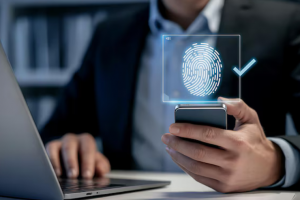
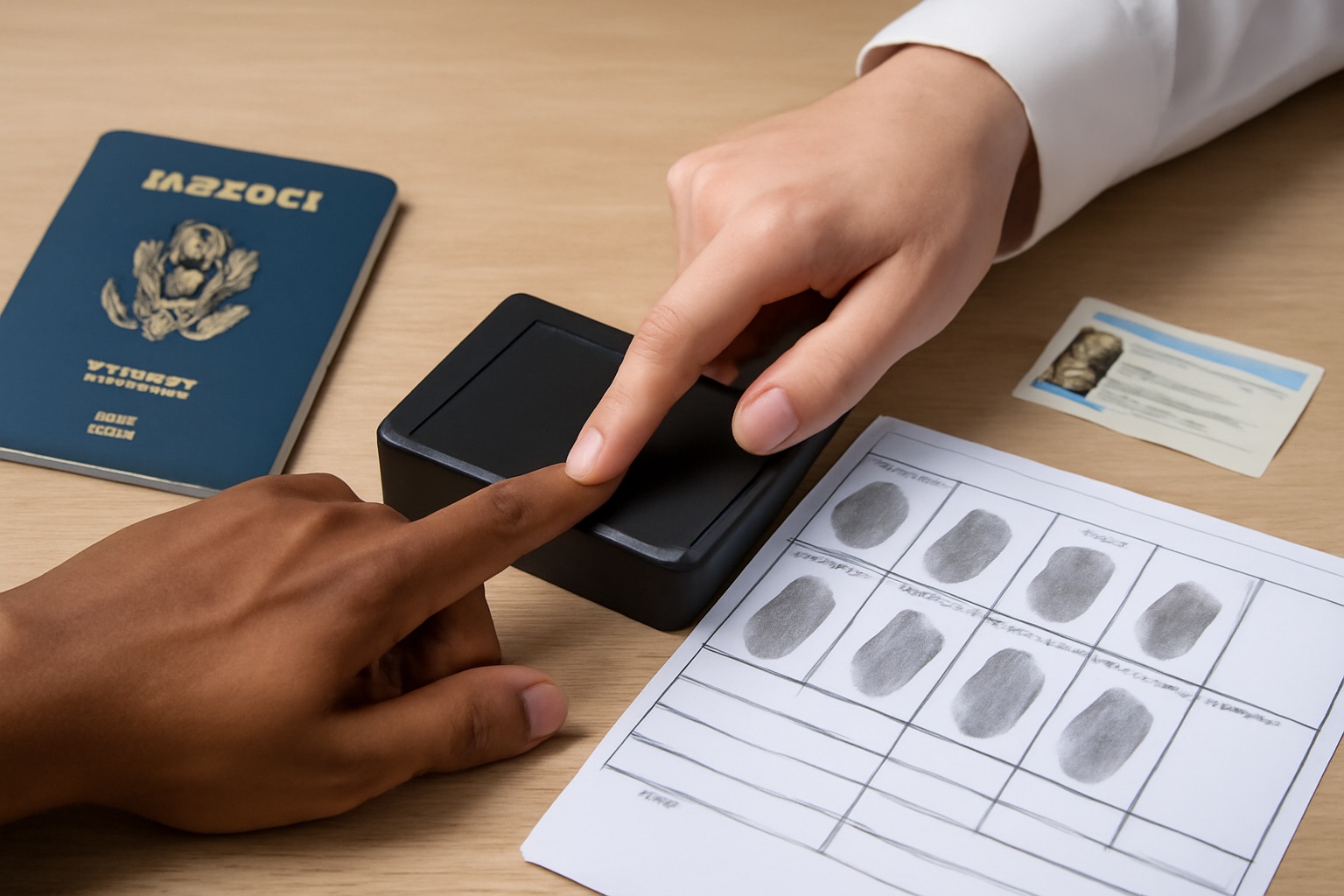
Live Scan captures your prints digitally and sends results electronically to FDLE or the FBI. Most agencies prefer this method because it’s faster and cuts down on errors from smudged prints. Understanding the Live Scan vs ink differences helps you know what to expect.
Ink Cards are still used by some agencies and out-of-state organizations. Your prints get rolled onto an FD-258 card that’s mailed to whoever requested it.
Which one you need depends on your ORI number, that’s the code from the agency requiring your background check.
What to Bring With You
Show up prepared and you’ll be done quickly:
- Valid photo ID like a driver’s license or passport
- Your ORI number from the requesting organization
- Payment for the service
Don’t have your ORI number yet? Just call whoever asked for your fingerprints. They’ll give you the code and tell you which method they need.
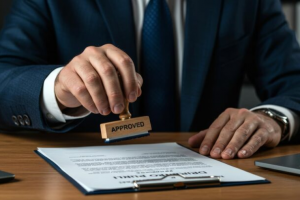
Many people need fingerprinting and notarized documents around the same time, like when starting a job that requires both a background check and signed paperwork. Finding notary services that handle both saves you from making multiple stops.
What Shows Up on Your Check
Many people wonder what appears on their check. Results typically include criminal history, arrests, convictions, and sometimes employment records depending on the screening level. FDLE runs Level 1 and Level 2 checks, with Level 2 being more comprehensive for positions involving vulnerable populations.
Background checks do more than screen job candidates. They protect vulnerable people and keep professional standards high across industries. When a hospital hires nurses or a school brings on teachers, those places need to trust who they’re putting in charge of patient care or children.
Avoiding Common Problems
Poor print quality is the biggest reason for rejected submissions. Dry hands, worn fingerprints from manual labor, or improper rolling technique can all cause issues. If you’ve had fingerprint rejections before, working with experienced technicians makes a real difference.
Some simple prep helps: moisturize your hands the night before, avoid heavy hand washing right before your appointment, and let the technician know if you’ve had rejections in the past.
Finding the Right Service
Need fingerprinting in South Florida? Look for services near you that offer flexible scheduling. Many providers now offer mobile notary options that come to your home or office, which helps when you’re juggling a job change or racing a certification deadline.
Get Fingerprinting Services for Your Security Needs
Quick Answers to Common Questions
How long do results take?
Live Scan usually processes in 24 to 72 hours. Ink cards take longer since they have to be physically mailed and manually entered.
Do fingerprints expire?
The prints themselves don’t, but some licenses require fresh background checks every few years.
What to Do Next
Don’t wait until the last minute if you need fingerprinting. Processing times vary, and starting early keeps you from stressing over deadlines.
Make sure you have your ORI number, a valid ID, and know which method is required. Those three things are all you really need for a smooth appointment.
Whether you’re getting your first license, switching careers, or renewing a certification, knowing what to expect makes the whole thing easier.