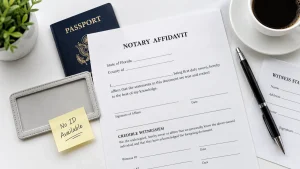


The global demand for document authentication services continues to grow as international trade, immigration, education, and business transactions increase. For professionals seeking a specialized career that combines legal knowledge with international documentation expertise, becoming a Certified Apostille Agent offers a unique opportunity. This guide outlines the qualifications, skills, and steps required to enter this field.
Understanding the Role of a Certified Apostille Agent
A Certified Apostille Agent facilitates the authentication of documents for use in foreign countries. An apostille is an official certificate that verifies the legitimacy of a signature, seal, or stamp on a document, allowing it to be recognized internationally under the Hague Apostille Convention.
These professionals serve as a bridge between clients, including individuals, businesses, and organizations, and the government agencies responsible for issuing apostilles and certifications. Their core responsibilities extend beyond simple notarization. Apostille agents must understand notary procedures, document authentication standards, and the legal frameworks governing cross-border recognition of official paperwork. Because regulations vary by jurisdiction and change periodically, staying current on legal requirements is a fundamental part of the role.
Step-by-Step Guide: How to Become a Certified Apostille Agent

Always thinking about how to become a certified apostille agent? Find all the answers in depth here. Becoming an apostille agent requires a structured approach and a commitment to mastering the intricacies of document authentication. Here is a step-by-step guide to help you navigate this rewarding career path.
Educational Requirements
- Obtain a high school diploma as the minimum educational requirement.
- Consider pursuing higher education in legal studies, international relations, or a related field to enhance your knowledge base.
Training and Certification Programs
- Research reputable training programs that focus on Apostille Certification.
- Look for courses that cover the specific requirements for authenticating different types of documents.
- Ensure the program provides insights into the legal framework surrounding Apostilles and practical guidance on navigating the application process.
- Seek certification from recognized institutions, as this adds credibility to your profile.
Relevant Skills and Knowledge
- Develop attention to detail, a critical skill when handling legal documents for authentication.
- Strengthen organizational abilities to efficiently manage the certification process for multiple clients and document types.
- Hone effective communication skills, as clear and precise communication is essential in dealing with clients and authorities.
- Proficiency in handling legal documentation is crucial; familiarize yourself with the specific requirements for different document types.
- Stay updated on international laws and regulations related to document authentication to provide accurate and reliable services.
Legal Background and Experience
- Consider gaining experience in the legal field, notary services, or a related industry.
- Learn why notaries are needed, how to notarize documents and the process of apostilling documents.
- Familiarize yourself with local and international legal procedures, as this knowledge will be valuable in your role as an apostille agent.
Networking
- Attend conferences, seminars, and workshops related to notary Public services, document authentication, and the background check process.
- Network with professionals in the legal and notary services field to gain insights and build connections that can be valuable in your career.
Stay Informed and Updated
- Regularly update your knowledge on changes in international laws and regulations related to document authentication.
- Subscribe to legal publications, attend webinars, and participate in professional development opportunities to stay informed about industry updates.
Business Setup (if applicable)
- If you plan to offer apostille services as a business, consider the legal and business aspects of setting up your service.
- Investigate any licenses or permits required to operate as a Certified Apostille Agent in your jurisdiction.
Continuous Professional Development
- Commit to ongoing professional development by attending advanced courses, and workshops, or obtaining additional certifications to stay at the forefront of your field.
- Join relevant professional associations to access resources, network with peers, and stay updated on industry best practices.
Choose Right Apostille Solution for Your Needs
Overcoming the Apostille Certification Challenges with Innovative Solutions

The Apostille Certification process, while essential, is not without its complexities. Here are some challenges that Certified Apostille Agents often encounter, along with potential solutions:
1. Document Authentication Dilemmas
Challenge: Verifying document authenticity has become more difficult as fraud techniques grow more sophisticated.
Solution: Implement robust document verification processes and stay abreast of technological advancements in document security features.
2. International Variations and Regulations
Challenge: Apostille requirements differ significantly from country to country, creating complexity for agents serving international clients.
Solution: Maintain updated reference materials on jurisdiction-specific requirements and build relationships with local experts who can provide guidance on regional procedures.
3. Time Sensitivity
Challenge: Clients often require expedited Apostille services, demanding a quick turnaround.
Solution: Develop efficient workflows, employ advanced document preparation tools, and maintain a proactive approach to meet tight deadlines
4. Evolving Legal Landscape
Challenge: Laws and regulations surrounding Apostille Certification are subject to change.
Solution: Regularly update legal knowledge, engage in professional development, and establish connections with legal professionals to stay informed.
Future Trends in Apostille Certification
- Digital Transformation: The adoption of digital technologies for document verification and authentication processes.
- Enhanced Security Measures: Continued advancements in security features to combat document fraud.
- Increased Cross-Border Collaboration: Strengthening collaboration between countries to simplify and expedite the Apostille process.
- Artificial Intelligence Integration: The incorporation of AI in document analysis and verification to enhance accuracy and efficiency.
Summarizing How to Become a Certified Apostille Agent
Becoming a Certified Apostille Agent requires dedication, ongoing education, and a commitment to staying current with an evolving regulatory landscape. As technologies such as online notarization, remote document verification, and electronic apostilles become more widely adopted, agents who embrace these tools will be well-positioned for long-term success.
Apostille agents play an essential role in supporting international transactions, immigration processes, and global business operations. For those interested in a career that blends legal precision with international scope, this field offers both meaningful work and strong long-term demand.