

When signing a legal document in Florida, you may be told you need a witness, a notary public, or both. These two roles serve entirely different legal purposes and one cannot replace the other.
Using the wrong one, or missing a required one, can make your document legally invalid. Understanding which applies to your situation protects you from rejected filings and documents that may not hold up when it matters most.
What Is a Witness?
A witness is a neutral adult who is present when you sign a document and then signs it themselves to confirm they were there. They do not check your ID, apply a seal, or hold any state-issued credentials. Their signature confirms one thing: the signing took place.
In Florida, a valid witness must be at least 18 years old, mentally competent and have no personal or financial interest in the document. Most people ask a neighbor, coworker, or acquaintance to fill this role.
What Is a Notary Public?
While a witness observes, a notary public verifies. A Florida notary public is a state-commissioned official appointed by the Governor whose responsibilities carry significantly more legal weight.
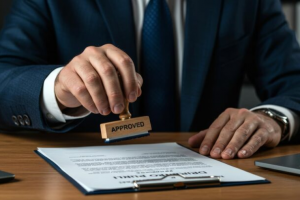
When you bring a document to a Florida notary public, they check your government-issued photo ID, confirm you are signing willingly, perform the correct notarial act and apply their official rubber stamp seal. That seal gives your document recognized legal standing in Florida courts, financial institutions and government offices.
For those who cannot travel to an office, Florida also permits remote online notarization, a secure video-based process that carries the same legal authority as an in-person appointment. There are common myths about RON in Florida worth understanding before you book, particularly around identity verification and legal validity.
Notary vs Witness: Side-by-Side Comparison
| Witness | Notary Public | |
| Primary role | Observes and confirms the signing | Verifies identity and certifies the signing |
| Credentials required | None | Must be commissioned by the Governor of Florida |
| Verifies your ID | No | Yes |
| Applies an official seal | No | Yes |
| Must be impartial | Yes | Yes |
| Legal authority | Limited | Full legal authority under Florida law |
| Who qualifies | Any eligible adult | State-commissioned notary only |
A witness confirms what happened. A notary certifies it under state law.
Florida Documents That Require a Witness
Some Florida documents require witnesses but not a notary:
- Living Will: Two witnesses required. At least one cannot be a spouse or blood relative.
- Healthcare Surrogate Designation: Two witnesses required. The named surrogate cannot serve as one of them.
- Last Will and Testament: Two witnesses required. Both must sign in the presence of the testator and each other.
Florida law does not require a notary for a basic will. However, most attorneys attach a Self-Proving Affidavit, which does require notarization. This removes the need for witnesses to appear in probate court after the person’s passing.
Florida Documents That Require a Notary
Affidavits, sworn statements, vehicle title transfers, copy certifications and business agreements submitted to government agencies all require notarization without a separate witness requirement.
Florida Documents That Require Both
Several commonly signed documents in Florida require a notary and witnesses present at the same signing.
A Durable Power of Attorney requires two witnesses and a notary. Without both, it is not legally enforceable in Florida.
A Florida Deed transferring real property requires two witnesses and a notary acknowledgment before it can be recorded with the Clerk of Court.
A Self-Proving Will Affidavit requires the testator, both witnesses and a notary at the same time. Most Florida attorneys recommend this format because it protects the will from being challenged in probate.
Real estate and mortgage closings also fall into this category. These transactions require precise coordination between witnesses, notarization and document sequencing. Many people are not aware of how the notary public vs notary signing agent in Florida distinction affects which professional they need at a closing. Notary Plus More provides dedicated Notary Signing Agent services for real estate and mortgage transactions across Palm Beach and Broward County.
Choose Right Notary Solution for Your Needs
Can a Florida Notary Also Serve as a Witness?
In most cases, yes. A Florida notary may fill one of the two required witness slots on documents such as deeds and powers of attorney, provided they have no personal interest in the document.
The exception is a Self-Proving Will Affidavit. In that signing, the notary administers the oath to the witnesses, so the two roles must remain with separate individuals. For most other documents, one professional can cover both.
What Happens When the Wrong Standard Is Applied?
A Power of Attorney without notarization cannot be used. A deed missing two witnesses will be rejected by the Clerk of Court. A will with only one valid witness can be ruled invalid in probate. These are statutory requirements under Florida law, not technicalities and the consequences affect property, finances and estates.
Professional Notary Services Across South Florida
Notary Plus More provides in-office and mobile notary services across Palm Beach and Broward County, with same-day availability for time-sensitive documents. For those who prefer not to travel, our Remote Online Notarization service delivers full legal notarization from any location with a secure internet connection.
Book your appointment today and have your documents witnessed, notarized and completed the first time correctly.