
Background checks don’t wait around. You land a new job, need fingerprinting services for licensing or sign up to volunteer, and suddenly you’re scrambling to fit appointments into an already packed schedule. The old way means taking time off, driving across town and sitting in waiting rooms. Mobile fingerprinting flips that script entirely.
What Mobile Fingerprinting Really Means
A certified technician shows up at your door with professional scanning equipment. No driving to police stations or government offices. They come to you, whether that’s your living room, workplace or anywhere else that makes sense.
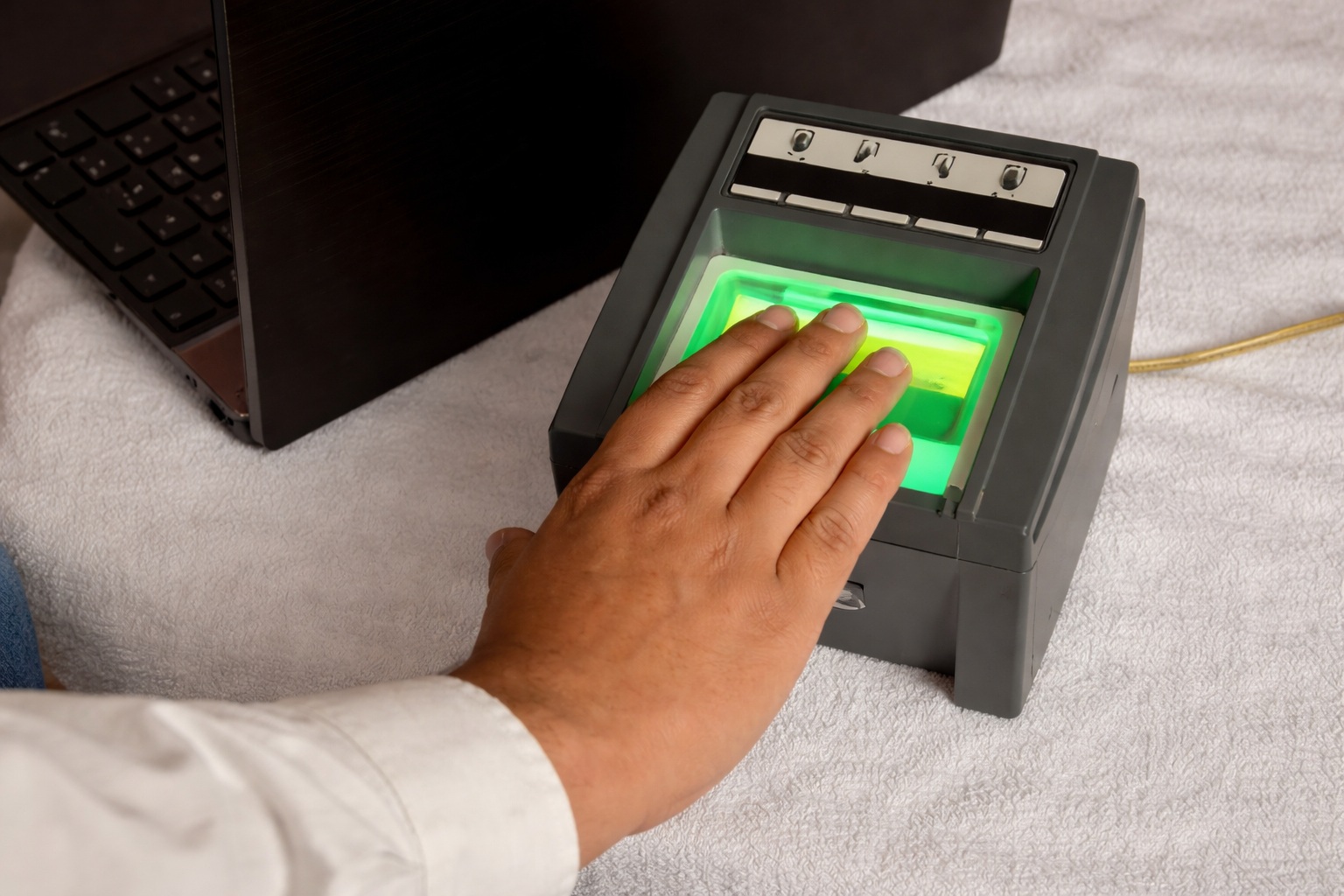
The tech side is straightforward. They use portable Live Scan devices that capture your prints digitally. Clean process, no ink mess, and you’re usually looking at results within 3 days instead of waiting weeks for paper cards to travel through the mail system.
The Straight-Up Comparison
| What Matters | Mobile Service | Old School Way |
| Where it happens | Your place | Their place |
| Waiting around | Set appointment | However long the line is |
| Getting results | 1-3 days | 2-6 weeks (sometimes longer) |
| Accuracy | 95% or better | Ink smudges mess things up |
| Multiple people | Everyone at once | Schedule each person separately |
| What you pay | Service fee plus travel | Cheaper upfront, expensive in time |
Why This Actually Matters
No More Driving
Gas prices, parking meters, traffic jams. Gone. The technician handles all that instead of you. Helps a ton if you live out in rural areas where the nearest fingerprinting place is 45 minutes away.
Real Flexibility
Need prints done at 7 PM on a Tuesday? Saturday morning? Mobile services work around actual human schedules instead of rigid 9-to-5 hours.
Better Results
Digital scanners catch problems right away. If something looks off, they redo it on the spot. With ink cards, you don’t find out there’s an issue until weeks later when everything comes back rejected.
Groups Make Sense
When schools hire five new teachers or a clinic brings on three nurses, coordinating individual appointments turns into a logistical nightmare. Mobile services handle everyone in one shot.
The Numbers Behind It
The fingerprint biometrics market hit $26.3 billion in 2025. By 2035, experts project $69.4 billion. That’s serious growth, and more than 92% of FBI submissions now come through electronic systems because they work better than ink.
This isn’t hype. Organizations are genuinely shifting how they handle background checks because people want convenience without cutting corners on security.
How It Goes Down
Setting Things Up
You call or book online. Tell them how many people need printing and what it’s for. They quote you a price that includes the standard fees plus whatever it costs them to drive out.
What You Actually Need
Government photo ID. Driver’s license works. Passport works. Some agencies want specific forms with ORI numbers, but the provider walks you through that when you schedule.
The Appointment Itself
Technician shows up with gear. Checks your ID. Guides your fingers onto the scanner. Takes maybe 10 minutes per person. Quality checks happen in real time, so if something needs a redo, it happens right then.
What Happens Next
Your prints go out electronically within 24 hours through encrypted channels. Processing time depends on the agency, but knowing processing times helps you plan ahead instead of wondering when results will show up.
Who Gets the Most Out of This
Companies Hiring Multiple People
When you’re bringing on five, ten, twenty new employees, having everyone processed at your office during orientation saves massive headaches. Healthcare, schools, security firms see the value fast.
Professionals Needing Renewals
Real estate agents, financial advisors, nurses, teachers. They all face regular fingerprinting for licenses and certifications. Mobile services let them handle it without disrupting client schedules or taking half days off.
Volunteer Coordinators
Running screenings for volunteers gets easier when you process everyone at the same training session instead of tracking down individuals over several weeks.Why this matters becomes clear when you’re managing dozens of people.
People with Transportation Issues
Elderly folks, anyone recovering from surgery, people in wheelchairs. Traditional fingerprinting creates barriers that mobile services just eliminate.
Quick Answers to What People Ask
Does it count as official?
Completely. Same FBI-certified equipment, same legal standing. Courts and agencies accept it exactly like traditional methods.
What’s it cost?
Standard state fees (usually $10 per signature) plus a travel charge. Groups often get volume discounts. Ask for the full breakdown upfront.
Is my data safe?
Same encryption and security as fixed locations. Actually safer in some ways since there’s no paper card floating around that could get lost.
Making It Work
The whole point of comparing mobile versus traditional comes down to what your time is worth. Mobile costs more upfront, but when you factor in driving, waiting, taking time off work, the math shifts fast.
For businesses, the coordination savings alone justify the cost. For individuals facing tight deadlines, getting results in days instead of weeks can make the difference between landing a job and watching the opportunity disappear.
Technology made it possible to bring certified fingerprinting anywhere. That matters because background checks aren’t going away, and making them less of a hassle helps everyone.
Need fingerprinting in South Florida? Notary Plus More covers Palm Beach, Broward and Miami-Dade with mobile services and document authentication. Straightforward pricing, flexible scheduling, no runaround.