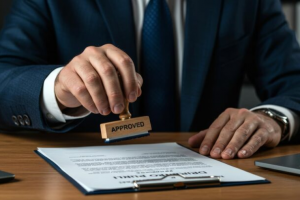


You’re sitting at a closing table about to sign your mortgage papers. Or maybe you need a power of attorney notarized for an elderly parent. The notary across from you has access to your social security number, financial details, and personal information.
How do you know this person is trustworthy? What kind of screening did they go through?
Most people never think about this until they’re already mid-signing. Here’s what actually happens behind the scenes.
Why Notary Background Checks Exist
Notaries aren’t just witnesses with a stamp. They verify identities, confirm signers aren’t under pressure, and ensure people understand what they’re signing.
Someone with a criminal history involving fraud handling this role creates obvious problems.
Background checks filter out applicants who can’t be trusted with sensitive information similar to how banks screen tellers or schools check teachers. The screening happens at the state level before anyone receives a commission.
How Far Back Do These Checks Actually Go?
The remote online notarization market hit $1.5 billion in 2025 and is projected to reach $6 billion by 2033. With over 45 states allowing RON, more people are using notaries they’ve never met in person.
Understanding background check requirements helps you know what screening happened before someone got their commission.
| Check Type | Timeframe | Used For |
| State Criminal Check | 7-10 years | All notaries |
| FBI Fingerprint Check | Full adult history | Online/remote notaries |
| Motor Vehicle Records | 7-10 years | Loan signing agents |
What State Checks Reveal
When you use a notary in your state, they’ve typically gone through a 7-10 year criminal history review. The screening focuses on disqualifying offenses like fraud, forgery, identity theft, and violent felonies.
That speeding ticket from 2019? Doesn’t matter. A fraud conviction from 2020? That person shouldn’t be anywhere near your documents.
Why Online Notaries Get Extra Screening
Remote notaries face stricter vetting. RON notaries need FBI background checks that examine their entire adult criminal history.
This makes sense when you’re sharing sensitive documents through a video call, often with someone in a different state. The extra screening addresses the lack of in-person verification.
These FBI checks require fingerprinting the same fingerprinting services used for teaching licenses, adoption clearances, and other positions of trust.
What Gets Checked During Screening
Here’s what shows up when a notary applies for a commission:
Criminal History Review
- Fraud and financial crimes: Fraud, embezzlement, or forgery convictions
- Identity theft: Disqualifying for someone verifying identities
- Violent crimes: Raises questions about judgment
- Crimes of dishonesty: Any conviction showing lack of integrity
Identity Verification for Remote Notaries
Online notaries go through additional layers:
- Social Security verification
- FBI fingerprint database check
- NCIC criminal record review
If you need similar verification for employment or licensing, background check services use the same federal databases.
Past Commission Problems
States check previous notary history:
- Prior complaints
- Revoked commissions
- Disciplinary actions
Thebackground check process timeline typically takes 3-6 weeks for standard checks. FBI clearances for online notaries add another 2-4 weeks.
How to Verify a Notary’s Credentials
State databases allow public verification of notary commissions. Here’s the process:
State Database Lookup: Search “[Your State] notary commission lookup” to find active status, expiration date, and disciplinary history.
Remote Notary Verification: RON notaries need separate authorization beyond regular commission, plus state-approved platform certification.
Before Signing: Request commission credentials, check expiration date, confirm state authorization.
Common Issues: Missing credentials, expired commissions, no official seal, pressure to sign incomplete documents.
ID verification services can confirm credentials when needed.
Why This Matters More Now
Since 2008, notaries handling mortgages (38% of all notarizations) need annual background screenings. With remote notarization up 240% since 2020 and 42 states recognizing RON, you’re more likely than ever to use a notary remotely making background checks your primary protection.
What If Your Notary Has a Criminal Record?
Here’s what you should know: Not every offense disqualifies a notary, but the serious ones do.
Minor traffic violations? Almost never an issue. Old misdemeanors? Depends on what kind and how long ago. But felonies involving fraud, dishonesty, or violence? Those typically disqualify someone from getting or keeping a notary commission.
If you’re concerned about a specific notary, check your state’s database. Disciplinary actions and revoked commissions are public record.
Understanding Notary Background Screening
Notaries who handle real estate deeds, powers of attorney, and business contracts go through criminal checks, identity verification, and federal screening for remote services.
State databases provide public access to verify credentials. The process takes a few minutes and shows commission status, expiration dates, and disciplinary history.
The screening system filters people with fraud convictions, identity theft charges, or other offenses that raise concerns about handling sensitive documents. When you see a notary stamp on a document, that person cleared law enforcement database checks before receiving their commission.