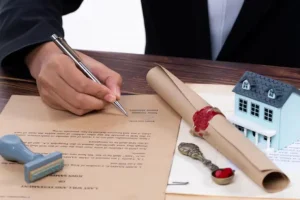


Property transfers in Florida do not always involve a formal sale. Sometimes a spouse needs to be added to a title. A parent wants to pass property to a child while still alive. An ex-spouse needs to be removed after divorce. Someone wants to move a property into an LLC or living trust.
All of these situations typically involve a quit claim deed and all of them involve someone who thinks they understand the process until something goes wrong at recording or closing.
Here is what a quit claim deed actually does, when it makes sense to use one and where the execution process catches people off guard.
What a Quit Claim Deed Actually Does
A quit claim deed transfers whatever ownership interest the grantor currently holds in a property to someone else. Nothing more.
It makes no promises about the title. It does not guarantee the grantor owns the property free and clear. It does not confirm there are no liens or claims against it. The grantor is simply conveying whatever interest they have, on the understanding that the grantee already knows and accepts that.
When Florida Residents Use Them
Most quit claim deeds in Florida fall into recognisable situations:
- Adding a spouse to a property title after marriage
- Removing a spouse from a title after divorce
- Transferring property to an adult child as a gift
- Moving property into a living trust or LLC
- Correcting a name error on an existing title
- Clearing a minor cloud on a title before a sale
In each of these cases the parties have an existing relationship and the grantee either already knows the condition of the title or is willing to accept whatever interest exists. This is where quit claim deeds work cleanly.
One important note for anyone transferring property into an LLC: doing so removes the Florida homestead creditor protection, which applies only to individual owners. The homestead tax exemption also does not carry over automatically. The new owner must file a fresh exemption application with the county property appraiser by March 1 of the year following the transfer.
Quit Claim Deed vs. Warranty Deed
| Feature | Quit Claim Deed | Warranty Deed |
| Title guarantee | None | Full guarantee of clear title |
| Suitable for strangers | No | Yes |
| Common for family transfers | Yes | Less common |
| Protects the buyer | No | Yes |
| Speed of execution | Fast | Requires title search |
For a standard sale between two parties who do not know each other, a quit claim deed is the wrong instrument. For informal transfers within a family or between parties who already trust each other and understand the title condition, it is usually the right one.
A Note on Mortgages
A quit claim deed does not affect any existing mortgage on the property. The original borrower remains personally liable on the mortgage note regardless of the deed transfer. Most residential mortgages contain a due-on-sale clause that gives the lender the right to accelerate the loan if the property is transferred, though lenders rarely enforce this unless the mortgage is already in default.
Where a mortgaged property is involved and the transfer forms part of a broader closing, a notary signing agent manages the full document package to ensure every page is signed, initialed and notarized correctly before it returns to the title company. Anyone transferring mortgaged property should confirm the lender’s position before proceeding.
Florida’s Execution Requirements
Florida does not require an attorney to prepare a quit claim deed. However, the execution requirements under Florida law are exact and errors create title problems that cost more to fix than getting it right the first time.
Under Florida Statutes Chapter 689, a valid quit claim deed requires:
- The deed to be in writing with a clear legal description of the property
- The grantor and grantee identified with their addresses
- Consideration stated, even if nominal
- The grantor’s signature in front of two witnesses
- Both witnesses to sign, with their printed name and address beneath each signature (required as of January 1, 2024 under Florida Statute 695.26)
- A notary to acknowledge the grantor’s signature and affix their official seal
- The deed recorded with the clerk of the circuit court in the county where the property is located
The notary public can serve as one of the two witnesses, but an additional witness is still required. If the property is homestead and the grantor is married, the non-owner spouse must also sign the deed under Article X, Section 4 of the Florida Constitution, even if they have no ownership interest. Failing to obtain the spouse’s signature on a homestead transfer makes the deed void.
Florida notaries are authorized to handle real estate document notarization, including deeds, which is worth understanding before preparing any document for signing.
What Goes Wrong Without Proper Execution
Problems from improperly executed quit claim deeds show up when the property is next sold, refinanced or inherited. Title companies flag deeds that were not properly witnessed or notarized. Banks will not refinance when there is a question over how a title was transferred.
There are also tax considerations. Most property transfers in Florida trigger documentary stamp taxes calculated on the consideration stated in the deed. Getting the consideration amount wrong or misunderstanding when exemptions apply creates tax liability that surfaces later.
Property transfers involving affidavits, such as those accompanying a trust transfer or a name correction, follow the same notarization requirements that apply to affidavits and sworn statements in Florida generally.
Getting the Execution Right
The two-witness requirement with printed name and address is what catches most people off guard. Arriving without a prepared second witness means the deed cannot be executed that day.
Notary Plus More handles real estate document notarization across Florida, including quit claim deeds requiring proper witnessing and notarial acknowledgment. The mobile notary service covers Miami-Dade, Broward and Palm Beach Counties for anyone who cannot come into an office. Remote online notarization is also available, fully compliant with Florida’s RON statutes, for situations where an in-person appointment is not practical.
Have your witnesses arranged in advance, confirm all parties are present before anything gets signed and make sure the deed is recorded with the county clerk once executed. Notary Plus More covers the full signing process across Florida with mobile and remote options available.