

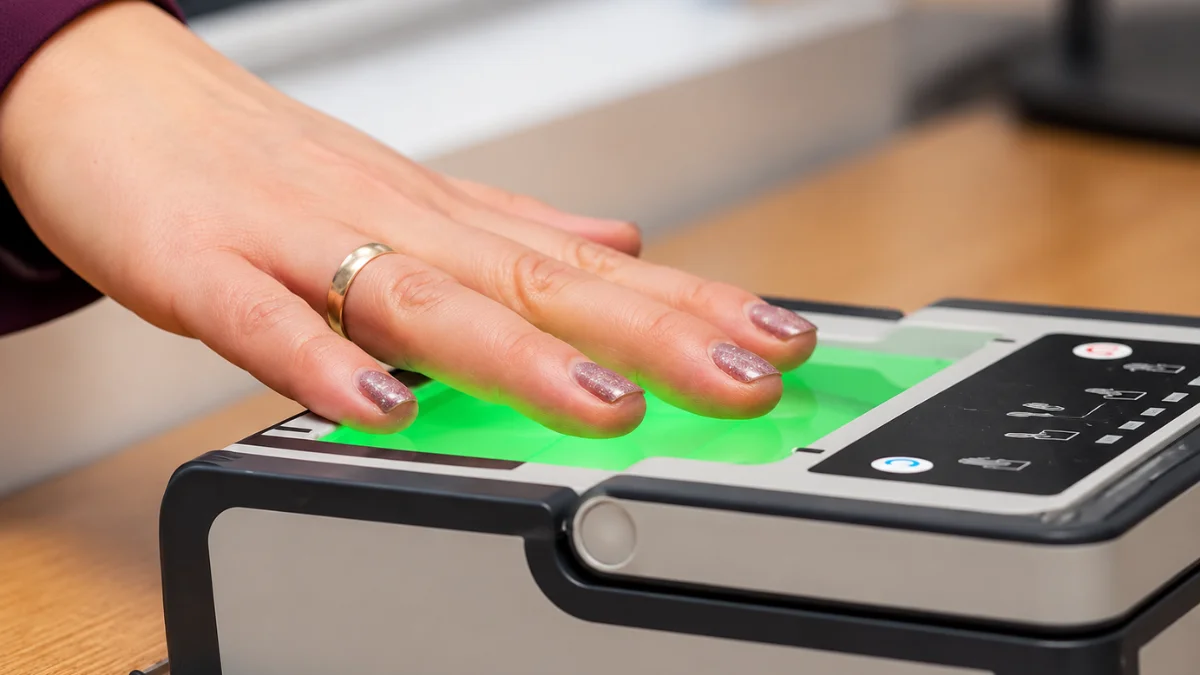
A Live Scan fingerprinting appointment may appear simple at first, but many applicants encounter confusion when they are asked to provide an ORI number. Since most first-time applicants are unfamiliar with the term, questions often arise just before the appointment, leaving little time to confirm the correct information.
An ORI number plays an essential role in the fingerprinting process by directing completed fingerprint results to the appropriate agency. Anyone searching what is an ORI for fingerprinting is typically looking to understand how their background check reaches the correct destination and why submitting an incorrect code can lead to unnecessary processing delays.
What Does ORI Stand For in Fingerprinting?
ORI stands for Originating Agency Identifier. It is a nine-character code assigned through the Florida Department of Law Enforcement (FDLE) that identifies the agency requesting a specific background check. Anyone asking “what is a ori” during a Level 2 background check is usually trying to determine which organization should receive their results. A school district, healthcare licensing board, employer, or state agency may each have a different ORI number, meaning the same fingerprint submission can be directed to completely different destinations depending on the purpose behind the request.
Applicants who have completed fingerprinting in the past sometimes assume one ORI applies to every situation, but that is rarely the case when a new employer, license, or certification requirement is involved.
Why Live Scan Requires the Correct ORI Number
Florida Live Scan fingerprinting is connected to a specific purpose rather than functioning as a general background check. Employers, licensing boards, and government agencies each use their assigned ORI number to ensure fingerprint results are delivered to the correct department after FDLE and FBI processing. Without the correct ORI, the fingerprint submission does not have a proper destination. The scan may be completed, but the results cannot be properly connected to the employer, license application, or regulatory requirement requesting the background check.
This is why fingerprinting professionals verify the ORI before scanning begins, helping prevent avoidable delays before the submission reaches the review stage.
Obtaining an ORI Number for Fingerprinting
Applicants typically do not need to search for this number on their own. Most people learn how to get an ORI number for fingerprinting directly from the organization requesting the background check, whether that is an employer, licensing board, school, or government agency.
Several steps help prevent errors:
- Request the exact ORI connected to the specific position, license, or application requirement
- Confirm the code matches the intended profession, as organizations may assign different numbers for different roles
- Record the ORI exactly as provided, since one incorrect digit can redirect the submission
- Bring the ORI number along with valid government identification to the appointment
Missing these details is one of the common reasons Level 2 background checks experience delays before reaching FDLE review.
What Happens If You Use the Wrong ORI Number?
An incorrect or missing ORI number can create more than a simple inconvenience. It may delay employment timelines, licensing approvals, or volunteer clearances before the issue is identified.
| Situation | Typical Outcome |
| Missing ORI number | The scan cannot be submitted for its intended purpose |
| Wrong ORI for the role | Results reach an unintended department |
| Outdated or expired code | The submission is rejected during processing |
| Mismatched profession code | Employers receive no timely confirmation |
Each situation may require a new fingerprinting appointment, extending timelines that are already dependent on background approval. A single incorrect digit can add unnecessary weeks to the process.
Choose Right Notary Solution for Your Needs
How a Fingerprinting Specialist Helps Avoid Delays
Because ORI requirements vary depending on the purpose of the fingerprinting request, working with an experienced specialist can help applicants avoid common submission errors, especially those who have previously experienced delays or fingerprint rejections due to incorrect information or processing issues.
A trained technician can assist with:
- Verifying the ORI matches the purpose of the appointment
- Confirming required identification and supporting documents
- Coordinating appointment timing around FDLE submission requirements
- Maintaining records for future fingerprinting needs
This additional review helps identify potential issues before they become rejected submissions. It also works well alongside related services such as background checks or apostille requests completed during the same visit.
Bottom Line
Understanding live scan fingerprinting and the requirements before arriving, including the correct ORI number, identification requirements, and expected processing steps, removes much of the uncertainty surrounding the appointment process.
Notary Plus More helps applicants confirm the correct ORI before their appointment, making it easier to complete fingerprinting and apostille services in one convenient visit. Providing the correct ORI number from the beginning remains one of the simplest ways to keep a Level 2 submission moving forward without unnecessary delays.