
Most people never think about affidavits until they urgently need one. A court deadline is approaching, an immigration filing is pending, or a property matter requires written documentation under oath. At that point, a rejected affidavit is not just an inconvenience. It can delay the entire process by days or weeks.
In Florida, the requirements for a notarized affidavit are specific. One missed step means starting over.
What a Notarized Affidavit Is
An affidavit is a written statement of facts made under oath. The person making the statement, called the affiant, declares the content is truthful and accepts legal responsibility for what is written.
Notarization is what gives it legal standing. A Florida notary public verifies the affiant’s identity, witnesses the signing, administers a sworn oath and attaches a jurat certificate to the document. The jurat records when and where the oath was taken and before whom.
Without notarization, an affidavit carries little to no legal weight in Florida courts, government offices, or financial institutions. One question that comes up regularly is whether a notary can notarize their own documents. The answer under Florida law is no and for good reason. For immigration filings, property matters, probate proceedings and most official purposes, notarization is required. Unnotarized affidavits are rejected outright.
What to Prepare Before the Appointment
Arriving unprepared is the most common reason people have to reschedule. Florida law requires the affiant to appear in person before the notary with everything ready before the appointment begins.
You will need:
- A fully completed affidavit do not sign it before the appointment
- A valid, current government-issued photo ID such as a driver’s license or passport
- Any supporting documents referenced within the affidavit
The document must be completely filled out. Florida notaries cannot process affidavits with blank fields and incomplete documents will stop the appointment before it starts.
How the Notarization Process Works
Step 1: Draft the Affidavit in Full
A standard Florida affidavit includes the affiant’s full name, sworn statements written in clear numbered form, a signature block and a blank section at the bottom reserved for the notary’s jurat. That section stays empty until the notary completes it in person.
Statements should be specific and factual. Vague language weakens the document’s legal value regardless of notarization. The rules governing affidavits, declarations and sworn statements differ slightly depending on the document type and intended use, so confirming which applies to your situation before drafting saves revision time later.
Step 2: Identity Verification
Before anything is signed, the notary is required to confirm the affiant’s identity using a current government-issued photo ID. Expired identification is not acceptable under Florida law and will end the appointment.
Step 3: Sign in the Notary’s Presence
Signing the document before the appointment makes proper notarization impossible. The signature must occur in front of the notary, after the oath has been administered. This step is non-negotiable under Florida notary law.
Step 4: Notary Completes the Jurat and Seal
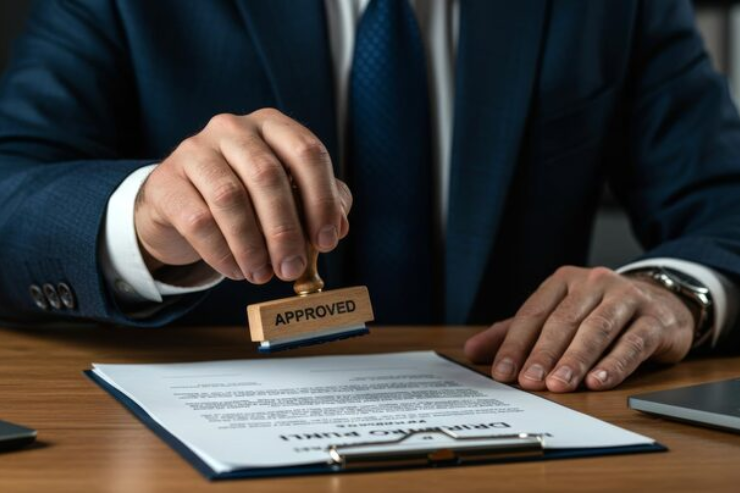
Once the affiant signs, the notary administers the oath, completes the jurat, signs the document and applies the official rubber stamp seal. Under Florida Statute 117.05, the seal must include the notary’s name, commission number, the state of Florida designation and the commission expiration date.
Mistakes That Get Affidavits Rejected
| Mistake | Why It Causes a Problem |
| Signing before the appointment | Florida law requires in-person signing under oath |
| Blank sections in the document | Notaries cannot process incomplete affidavits |
| Expired identification | Identity cannot be legally verified |
| Missing jurat certificate | Courts and agencies reject the document |
| Outdated notarial template | Florida jurat requirements were updated in January 2020 |
When a Rejected Affidavit Has Serious Consequences
Immigration filings, visa applications, family petitions and asylum proceedings all carry fixed deadlines. A rejected affidavit in those situations can push a case back significantly. The same applies to probate matters, custody disputes and real estate transactions where timing is critical.
Working with professional Florida notary services reduces that risk considerably. A qualified notary reviews the document before the jurat is signed and confirms that every requirement is met before the appointment is completed, preventing the kind of rejections that derail deadlines.
For situations where traveling to an office is not practical, mobile notary services bring the same professional notarization directly to your location across Palm Beach and Broward County.
When the Document Also Needs an Apostille
Some affidavits intended for use in other countries require an additional authentication step after notarization. An apostille certifies the document for international acceptance under the 1961 Hague Convention. This applies to affidavits being submitted for immigration proceedings abroad, international business arrangements, or legal matters involving foreign governments.
If the document is heading outside the United States, confirm whether an apostille is required before the appointment. Handling both steps together avoids having to reprocess the paperwork later.
Getting It Done Without the Delays
Draft the document fully, bring valid photo ID, arrive without having signed and work with a notary who knows Florida requirements. That combination gets the affidavit accepted the first time.
Notary Plus More provides in-person affidavit notarization across Palm Beach and Broward County with same-day availability for time-sensitive needs.