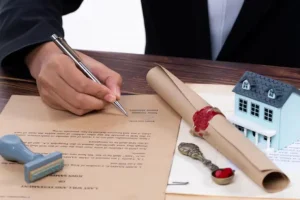


Proving where you live should be straightforward. But Florida often requires specific documentation that many people have never encountered until they need it urgently. Whether you are enrolling a child in school, applying for in-state tuition, filing for divorce, or updating your driver’s license, an Affidavit of Residency may be required before anything moves forward.
Most people learn about affidavits only when they become urgent. Here is what they involve, when you need one and what goes wrong when they are not done correctly.
What a Florida Affidavit of Residency Actually Is
An Affidavit of Residency is a sworn written statement confirming that you live at a specific address in Florida. It is not just a form you fill out and submit. It is a legal declaration made under oath, with the understanding that false information carries real consequences under Florida law, including fines and potential imprisonment.
An affidavit differs from standard proof of address documents like utility bills or lease agreements. Those documents show a name linked to an address. An affidavit goes further. It is a signed, notarized statement asserting that you genuinely reside at that location.
The notarization is what gives an affidavit legal weight. Without it, most institutions will not accept it.
When You Need an Affidavit of Residency in Florida
The situations requiring an affidavit are more varied than most people expect:
- School enrollment when address documents are not in the parent’s name
- Applying for in-state tuition at a Florida college or university
- Divorce proceedings requiring six months of verified Florida residency
- Driver’s license or state ID updates when standard address documents are unavailable
- Voting registration or accessing state-funded benefits
- Living with someone else without a lease or utility bill in your name
That last situation is particularly common. When you rent a room, live with family, or share housing, the homeowner or leaseholder may need to sign separately with their own notarized acknowledgment.
For use outside the United States, such as verifying Florida residency for a foreign university or immigration application, the affidavit may also require apostille services for international recognition.
What Your Affidavit Must Include
Getting the content right matters. An incomplete affidavit gets rejected, which means starting over under time pressure.
| Required Element | Details |
| Full legal name | Must match government-issued ID exactly |
| Florida residential address | Physical street address only, not a P.O. box |
| Duration of residency | How long you have lived at the address |
| Declaration of truthfulness | Standard oath language required under Florida law |
| Signature of affiant | Must be signed in front of the notary |
| Notary acknowledgment | Notary’s seal, signature and commission expiration |
| Supporting documents | Utility bill, lease agreement, or ID at the same address |
Your name must match your government-issued ID exactly. Florida has specific ID requirements for notarization that apply to affidavits.
Some institutions add their own requirements. A school district may request additional student details. A court often has its own approved form that must be used. A generic template from a website may not meet what the requesting party actually needs.
Review the institution’s exact requirements before drafting anything.
Common Mistakes That Cause Rejections
Signing before reaching the notary The affidavit must be signed in the presence of a notary public. A pre-signed document cannot be notarized and must be redone entirely. Understanding how affidavits are notarized prevents this common error.
Using a P.O. box as the residential address Florida agencies require a physical street address. A mailbox does not qualify.
Listing inconsistent information If the address stated in the affidavit does not match the supporting documents, the filing gets questioned or rejected.
Skipping notarization Some people assume a witnessed signature is sufficient. For most Florida legal purposes, it is not.
Using the wrong form Courts, universities and school districts sometimes have specific approved forms. Submitting a generic version often results in rejection.
Getting It Done Correctly
Florida notaries are authorized to administer oaths, verify identity and witness signatures. Not every notary is equally familiar with residency affidavits, the specific forms different institutions accept, or what supporting evidence a filing actually needs.
Working with experienced notary services in Florida means having someone who can catch issues before they become rejections. That includes verifying the form matches what the requesting institution accepts, confirming supporting documents align with the affidavit content and completing the notarial certificate correctly. For time-sensitive filings or schedules that make office visits difficult, mobile notary services bring the process directly to you.
An Affidavit of Residency may not be the most complex filing Florida residents encounter, but small errors carry real costs. A rejected school enrollment, delayed court filing, or postponed license renewal can all result from simple mistakes. Getting it right the first time is almost always faster than fixing it after the fact.